How to Write a Great Hero

Most great stories need a hero for us to root for but what makes for a good one?

Here are some key characteristics that work for me:

Relatable

A hero does not need to be exactly like the us, but we do need to understand them.

This relatability often comes from emotional truth. What tends to make them tick? What is interesting to them and why? This interest or desire isn’t their main goal in the story but can relate to it. It’s more about how do they operate and often hints at why.

One character that comes to mind as an example could be a Heavy-Weight boxer who loves to raise pigeons. The characteristic of being a boxer is rather one-dimensional but add in the facet or raising pigeons and he now becomes more interesting and gives us a broader character to work with. There is a softer side to this brute which makes him interesting. Here is a person who can crush a man in the ring but also cares for fragile creatures. We want to know why he desires to care for the pigeons. Is it because he has a hard time relating to others? Does he see hope in the way they escape every day and fly off into the blue because he wants to escape his life? Does he find solace in how they always return home to him, something he may not have gotten from the people in his life?

Morality

A hero needs some kind of moral compass.

That does not mean they always make the right choice. In fact, seeing them not make the right choice is often better as perfect decision-making makes for a dull character. But inside them, there should be a sense of right and wrong, and it should often be tested.

The hero’s morality can help to give a story weight.

When a hero is faced with a difficult choice, we tend to feel what is stake internally for that character. Will they make the choice demanded of their moral code or cross the line?

The best heroes are compelling because temptation costs them something. Having them, crossing the morality line can also give us great material to work with in our stories.

Adversary

A good hero needs a good adversary because opposition gives the hero shape. Much in teh way we do not have black without white, or a front without a back, a hero is defined by what stands against him/her. The adversary reveals who the hero truly is.

A strong adversary challenges the hero’s beliefs, highlights our hero’s flaws, and pushes them to grow. The villain’s actions should challenge our hero’s deepest weakness.

The villain/adversary is a kind of mirror. They reflect what the hero could become if they give in to their flaw. The better the adversary, the more clear and compelling our hero becomes. A great hero rises to greatness because of what stands in their way.

Goal

Our hero needs to want something. The hero’s main goal gives the story direction and is something that we can plot the story around.

The main goal is usually external: win a competition, solve a murder, defeat the villain, return home etc. But strong stories pair the external goal with the hero’s internal need.

The hero may want to win a competition, but what they really need to do is to stop measuring their worth by each victory. They may be tasked to solve a murder, but what they really need is to forgive themselves for a past mistake. They may want to return home, but what they really need is to realize they no longer belong there and can never go home again.

External goals are used to drive the plot while internal goals drive the character arc. Having a great character arc, which is essentially just showing the character change or grow in a positive way, is one of the most powerful aspects to storytelling. It is very rewarding to the reader as we can all relate. We want to see the hero become better because we, too, desire to be better.

Flawed

Giving our hero a flaw may be the most important ingredient of all.

Flaws create friction. They create bad decisions which have consequences. A hero’s flaw typically relates to a “sin” (action that will be taken or has been taken in the past) at the heart of the story which will need to be addressed before they can attain the desired goal.

For example, Tony Stark in Iron Man begins as arrogant, selfish, and careless about the consequences of his weapons. His intelligence is not the problem. His wealth is not the problem. His flaw is his moral blindness. The story forces him to confront the damage caused by his own choices. Only when he takes responsibility does he begin to become a true hero.

I am also reminded of Robert Zemecis’s interpretation of Beowulf in which the hero king’s sin was to sleep with the tempting demon that bore Grendel, who later came to destroy the town. His flawed decision literally came back to haunt him.

A great hero needs to be relatable enough for us to understand, moral enough for us to care, and flawed enough to change.

Readers love our heroes because they struggle, fail, rise again and are morally better for the experience by the end of the story.

Let me know if the comments below characteristics you feel are important for strong heroes in our stories.

-James

My Checklist for a Good Story

Here are the checklist items I look for when editing my stories.

Is the need of the protagonist clear from the beginning?

The protagonist needs to have a goal. They need to want something. The quicker I can establish this, the better chance I have of the reader engaging.

Is the obstacle for the protagonist’s goal clear from the beginning?

This is the converse of the first item. There has to be an obstacle that stands in the way of the protagonist’s goal. A story where the main character is able to just breeze through the story and get what they want is not a rewarding story for the reader. Even kick-ass heroes need to have a weakness or flaw. Every Superman needs to have his Kryptonite.

Are the characters unique and memorable?

This is one I picked up from Stephen King when reading IT. That book has a lot of main characters introduced right away. Normally this can be confusing to the reader, unless you do what he did – he gave each of them memorable attributes to help us keep track:

  • Bill Denbrough: Severe stutter and natural leadership.
  • Richie Tozier: Compulsive joke-telling, comedic “Voices,” and thick glasses.
  • Beverly Marsh: Striking red hair and a dead-eye aim with a slingshot. Only female.
  • Eddie Kaspbrak: Constant reliance on an asthma inhaler.
  • Ben Hanscom: Severe obesity paired with a brilliant, analytical mind for engineering.
  • Mike Hanlon: The town’s sole Black youth. Had a deep knowledge of Derry’s history.
  • Stan Uris: Rigid logic, an obsession with order, and a passion for birdwatching.

Are the characters fleshed out, or are they just 2D stereotypes?

This aligns with the above “memorable” concept but goes a bit deeper. Even the secondary characters should have clear motivations to make them feel real. A reader can pick up on when you are creating a character just because it’s handy.

Is the ending rewarding to the reader? Is it surprising yet inevitable?

This one is a bit trickier to quantify. It is easy to feel that any twist you throw in at the end is enough to make it “surprising” but the ending needs to be earned and realistic and not one that is occurring due to chance. The word that is often used is “Payoff” and that is a great way to think about an ending. What is the reader’s return on time invested in your story?

Have you taken out all the parts that do not serve to advance the story or develop the character?

This one is my word lawnmower. It helps me a ton when I am reading through my stories for a second time. I may love a section and the way it flows but if it does not provide insight into the character or serve to advance the plot, it has to go. This is especially true for shorter fiction. In flash stories every word has to have a reason for being there.

Is everything clear and understandable?

This is more common than you might think. When you are the author of the story there is a lot of understanding and backstory inside your head that makes the words you put on the page very clear. This isn’t true for other readers. Clarity is also an issue when an author holds too much back believing they are building tension via curiosity.

Has the story been reviewed for grammar and punctuation?

This should be obvious but I think the tricky part is that we can read past some of these issues many times when editing our own stories. As an editor, one or two issues like this won’t cause me to reject an otherwise great piece but more than that and it can take me out of the story. Note that other editors may be more particular than I am.

Did I remove all of the adverbs?

“All” may be excessive, but in general adverbs make writing weaker. Try it on your own writing and see if anything feels like it is lost when taking them out.

Is the tense consistent?

Tense changes are useful for providing immediacy (present tense) or for revealing facts that have occurred previously (past tense) but writers get in trouble when they change the tense within the same sentence. Even within the same paragraph tense changes can be jarring to the reader. A good way to check for this is to have others read your story or record yourself reading your story aloud.

Have I let it sit for at least two weeks before revising it?

One of the best practices and one of the hardest to do. When I am done with a story, the first thing I want to do is to share it with friends and/or start submitting it. Resist that urge and get away from it. When you come back to it, you will be amazed at how different it looks.

Did I find myself (or did my first readers find themselves) thinking about the story after reading it?

If people are thinking about your story after they read it, asking you questions, telling you about some part they thought was cool, that is a very good sign. This is often a metric editors (myself included) use when they are considering whether or not to buy a story.

Is it interesting? Did I take out the boring parts? (Never waste a reader’s time)

This is another one that is hard to quantify. It is usually best to get this information from your friends that provide feedback for you. Asking them when it felt like the story was slow reveals this.

Keep in mind these are the checklist items that seem to work for me. Your mileage may vary.

Let me know in the comments below what you look for when editing your story.

-James

Talking to Other Girls, by Monti Sturzaker

Today’s story comes to us from Monti Rodgers.

Monti’s story was previously [Mistakenly] rejected by: Fractured Lit, Flame Tree Press, Psychopomp, The Final Girl

Bio: Monti is a New Zealander living in London with her two rescue dogs, Echo and Whisper. She’s previously published with Nature Futures, The Fantastic Other, and Indie Bites.

When I asked Monti what she loves about this story, this was her response:

I love how well the themes of this story work together: it captures growing up in New Zealand, combined with the natural anxieties girls face as we progress to adulthood: desire for belonging and fear of what womanhood means for our safety. The girl in this, like most tween-age girls (although taken to a wild extreme) is both her own best champion and worst enemy.

Talking to Other Girls, by Monti Sturzaker

I hear the front door slam open and my hand slips with the knife, catches the edge of my finger. The sounds of Livvie’s Glassons jacket. Shoes against tiles in the entranceway. I breathe a sigh of relief; she and her friends have made it back safely. The house inhales cold air. My spine pricks.

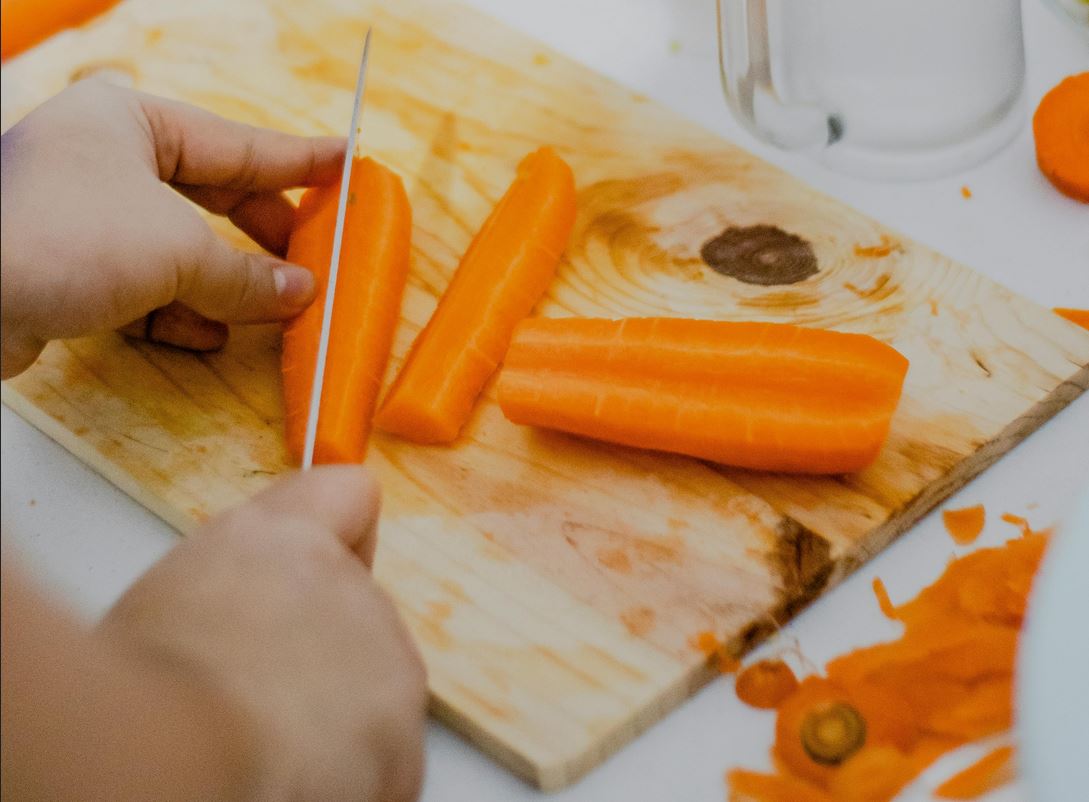
“Hello girls,” I call. A bead of blood blossoms on my skin. I run the tap, washing crimson down the sink. A murmur of response, footsteps retreating up the stairs. The light flickers in the kitchen. I think to follow them, eager to greet Livvie’s friends – but it’s better to meet teenagers armed with snacks. I cut the rest of the carrots carefully into sticks, out of time with that thomp thomp of my heart.

The Otago Daily Times’ headline glares at me from the counter, and I feel a twinge of guilt. The latest missing girl stares at me from the front page. Five, now. Most are from Columba Girls, Livvie’s school. The police don’t know what to do. After number three, the opinion columnists started flooding in: the town is haunted, they say. Books flying off shelves, doors slamming shut. Spectral figures looming near the girls’ houses. Livvie’s obsessed with the stories of ghosts. Their poor parents, I think, staring into the chilly brightness of the refrigerator. Hopefully the police will find them soon. Carrot sticks, dip, kiwifruit, apple wedges. Are they too old for fairy bread? I try to remember what I liked at her age. 

I unwrap the loaf of bread and lift the margarine out of the fridge. Healthier than butter. My heart thrums a jagged rhythm I can’t interpret. Livvie’s first sleepover. I feel free and giddy – and weighted and anxious. All churning up inside. Gotta get this right. She’s an unpopular kid, I know. Always by herself, poking at dead bugs and pushing those big glasses up her nose. It’s my fault too, not trying hard enough to get her into dance or drama or gymnastics – something to get her talking to other girls. Other girls talking to her. Perhaps I should have given her a sibling. Why was she never interested in other girls, I wonder? 

Fifteen. Soon she’d be a young woman. When she’d announced she wanted a sleepover I’d been caught off-guard. Agreed too quickly. Her face had soured and I couldn’t stop the guilt. You don’t think I can have friends, she’d said, flat affect. A statement. How does one refute a statement? Instead, I’d asked her more questions: what snacks did she want, what time would they be coming over, did she want me to pick up some movies from the video store? None, 5pm, no, the answers had come. They’d go to see a film at Rialto first, she said, pick up food on the way. Don’t disturb us, Mum. 

Perhaps I’m wrong to let her have a sleepover; collecting a lot of girls in one place might be akin to tempting fate, I think, sprinkling the hundreds and thousands across the sliced bread. But Livvie has friends! She’s been so interested in witchcraft books lately, I wonder too late whether these girls are even friendship material. Should I have rung their parents, reassured them that Livvie might be odd, but she’s also sweet? Could’ve sought the same reassurance in return. I eye the food, nervous about meeting her friends. Is she at that age where parents are embarrassing? 

I pause, listening to the reassuring chatter from upstairs. Livvie’s voice, still high-pitched and girlish, rises and falls with the fervour of a story. I’m surprised to find tears pricking at the corners of my eyes, my heart swelling with emotion. A twinge of guilt at feeling joy for my child when so many parents are worried about theirs. Collecting the plates of snacks and a bag of chips, I trod carefully up the stairs, savouring Livvie’s muffled voice through the walls. The temperature drops suddenly, and I shiver, anxious not to spill the food. It must be quite a story, there’s not a single peep from any of the other girls. I open the door. 

My Livvie’s back is to me, her hands raised in oration. Around her are five whispery, ethereal forms. Candles drip wax onto the floor. I drop the tray, fairy bread and carrot sticks skittering away. Livvie turns.

“Mum,” she starts, the I-can-explain dying on her lips. My heart resumes beating; each beat pulsating thickly in my veins. I’m freezing. A pentagram charcoaled on the carpet, a ghost at each point, risen from thick locks of their hair. 

“Did you do this?” my voice trembles: from fear or anger I do not know.

Girls. Their faces all paint the same picture, eyes widened into orbs, lips pressed shut, terror exposed. Apple wedges strewn across the floor. Five other girls.

“You wanted me to have friends, Mum,” – accusatory, whining. I stare at her.

Spectral; Livvie’s open curtains and lime walls visible through their too-skinny bodies. The full moon highlights the scene with grotesque silver. I recognise the ghosts from their headlines. 

“I never… They didn’t like me. They didn’t… I… This was the only way… You don’t understand…”

My mouth opens and closes, useless. What can I possibly say? She did this to them, I realise, the shock striking like lightning. My hands shake. Bile rises in my throat. Livvie sighs. 

“They never wanted to play,” she says, petulant, truth spilling like blood from a wound. “Everything they had to say was boring and I wanted friends that would do what I wanted to do and listen to what I wanted to say and play what I wanted to play.”

The ghosts look at her, their eyes pleading. Kiwifruit crushed into the carpet. 

“But… but isn’t this what you wanted, Mum?” she smiles, fragile. My daughter. My Livvie. My eyes find the girls’ faces again, blood thick in my chest.

The ghosts’ lips aren’t pressed shut, they’re sewn.

Language Drift Over Time

I was in high school in the mid-1980s, which means I lived through the Valley Girl era in real time. I remember an older kid telling me: “Don’t even get out of the chair or I won’t even hit you.” (Yeah, we had a real weird double-negative talk going there for a while at our High School.)

But every generation has its own version of language and slang.

Today I am picking up language from my 13 year old: “peak,” “mid,” and “low key.” Something can be “peak,” meaning excellent. Something slightly disappointing is “mid.” And “low key” seems to be something that is true but in a casual non-exciting way.

I am also hearing a lot of “Let’s goooo!” as a term for something exciting happening and from a wider audience than just teens.

When I was a kid I recall my grandmother being confused when I had referred to something as “Awesome.” She was a school teacher and I think she felt I was using the word incorrectly. To her, I probably was, but to me it felt perfectly legit 😉

Go back a bit further to fast-talking movie chatter of the 1930s and 1940s and think about the kind of clipped, snappy dialogue in old films. In It’s a Wonderful Life, there’s a tough-guy 1940’s rhythm when Clarence and George get thrown out of a bar: “That’s does it. Out you two pixies go. Out da door or through da window!”

The 1980s were only about forty years ago. The 1940s were less than a century ago. And yet the language from those times already has a foreign feel.

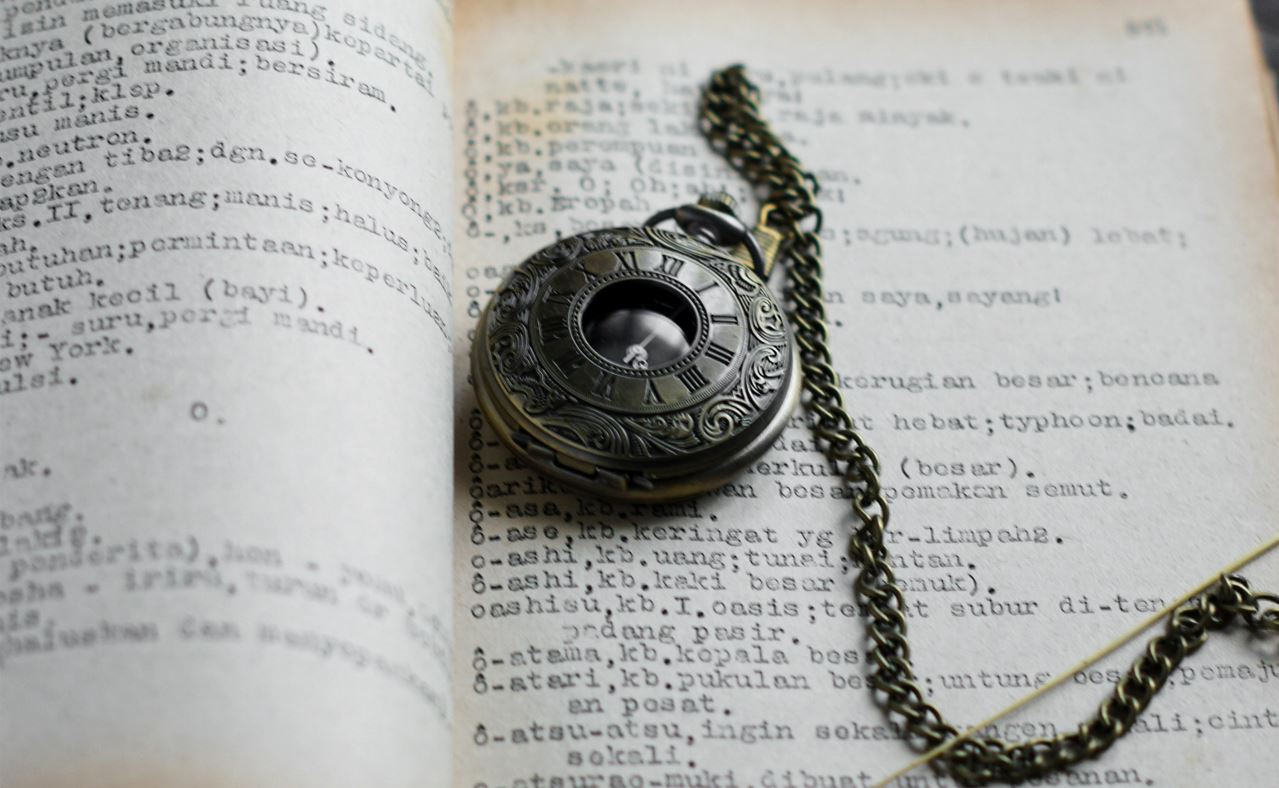
Going back even further, old books ask more of the reader because of language. The sentences are overly wordy, abbreviations and contractions are odd, and the syntax feels awkward at times.

Take the opening of Pride and Prejudice from 1813:

“It is a truth universally acknowledged, that a single man in possession of a good fortune, must be in want of a wife.”

We would look anyone saying that today with a raised eyebrow. A modern version might be:

“All rich single guys want a wife.”

Shakespeare is another great example:

“Wherefore art thou Romeo?”

Today we might think that Juliet is asking where Romeo is, but she is really asking him why he has to be Romeo and belong to the enemy family. The context of the words have shifted over time.

I’ve been thinking a lot about how languages changes over time because of a story I am working on. It’s set aboard a multi-generational ship traveling at 0.9c for 500 years. Generations are born, live, and die without ever seeing the point of origin or the destination. Twenty-three generations will pass aboard that craft. I have to think that language would change a hell of a lot in that time. If the ship has schools, archives, films, instructions, legal codes, songs, and AI systems preserving the original language, then people might still be able to understand older speech. But their everyday language would almost certainly mutate.

I can see meaning of common words changing over time. Shipboard terms would probably become metaphors. Technical jargon would become slang. New insults would appear. (And I am particularly looking forward to playing around with that last one.)

A phrase like “grounded” might lose its Earth meaning and become archaic. “Up” and “down” might depend on spin gravity or deck layout. “Outside” might mean the vacuum of space. “Weather” might mean radiation. “Sunrise” might be ceremonial rather than literal or forgotten altogether.

The fascinating thing is that language change would not just be decoration or a nice nuance. It will be a fundamental part of worldbuilding. Language can also be a great way for me to orient the reader as to what generation they are reading about, particularly if I need to flash back and forth in the story.

I can picture the last generation, getting ready to land the ship at the final destination encountering recorded instructions back from the time of the launch 500 years ago. These characters will probably understand the words, but they will sound the way Shakespeare sounds to us. I could play around with this fact and set up a nice bit of turmoil due to the misunderstanding of the context of some key words.

I am not sure how much I will ultimately rely on the drift of language over time in this story, but I am sharing it as an example of all of the challenges and opportunities language drift can afford us in our writing. It’s one more tool for the toolbox.

Let me know in the comments below whether language drift over time has played a role in any of your stories.

-James

The Stanley Hotel

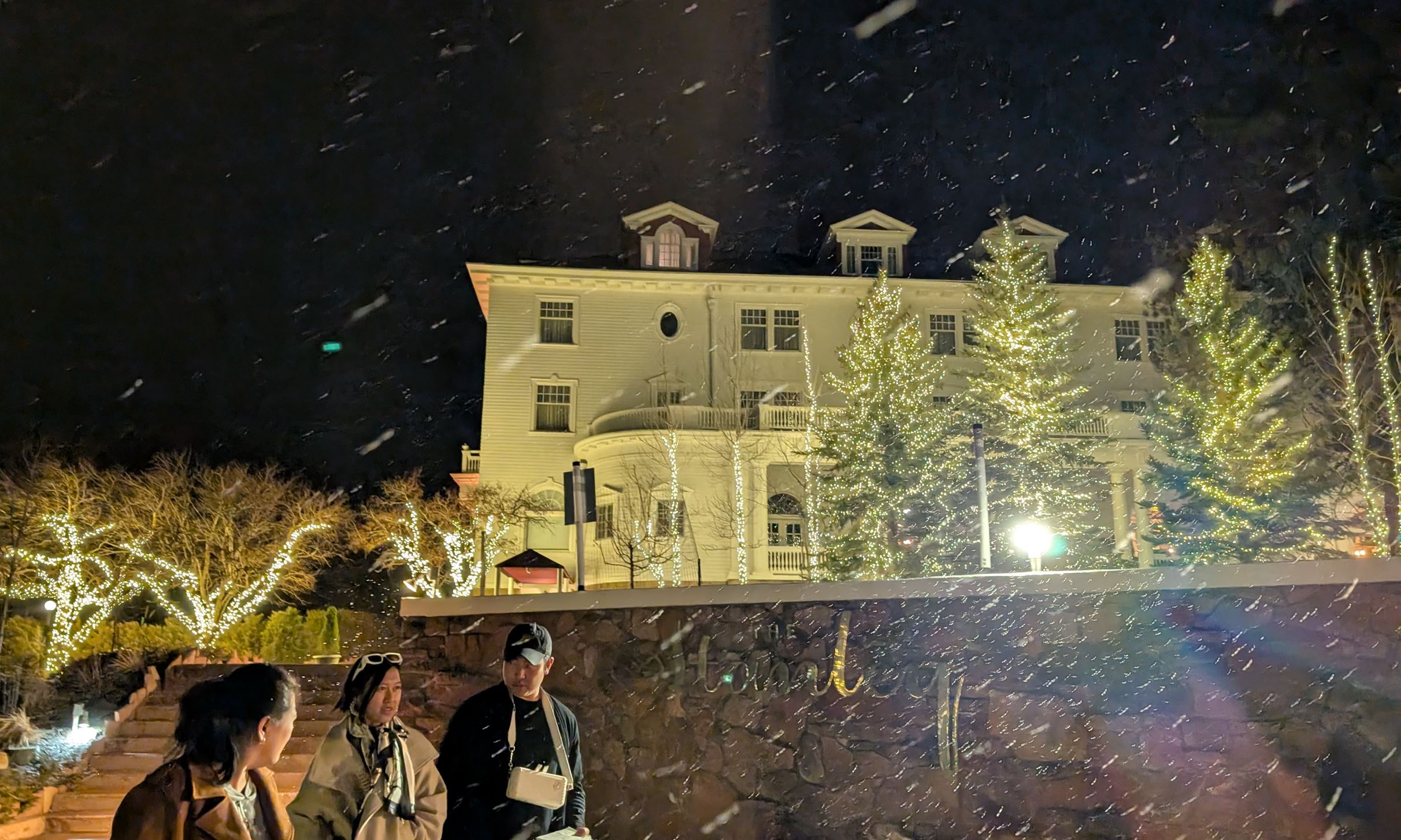
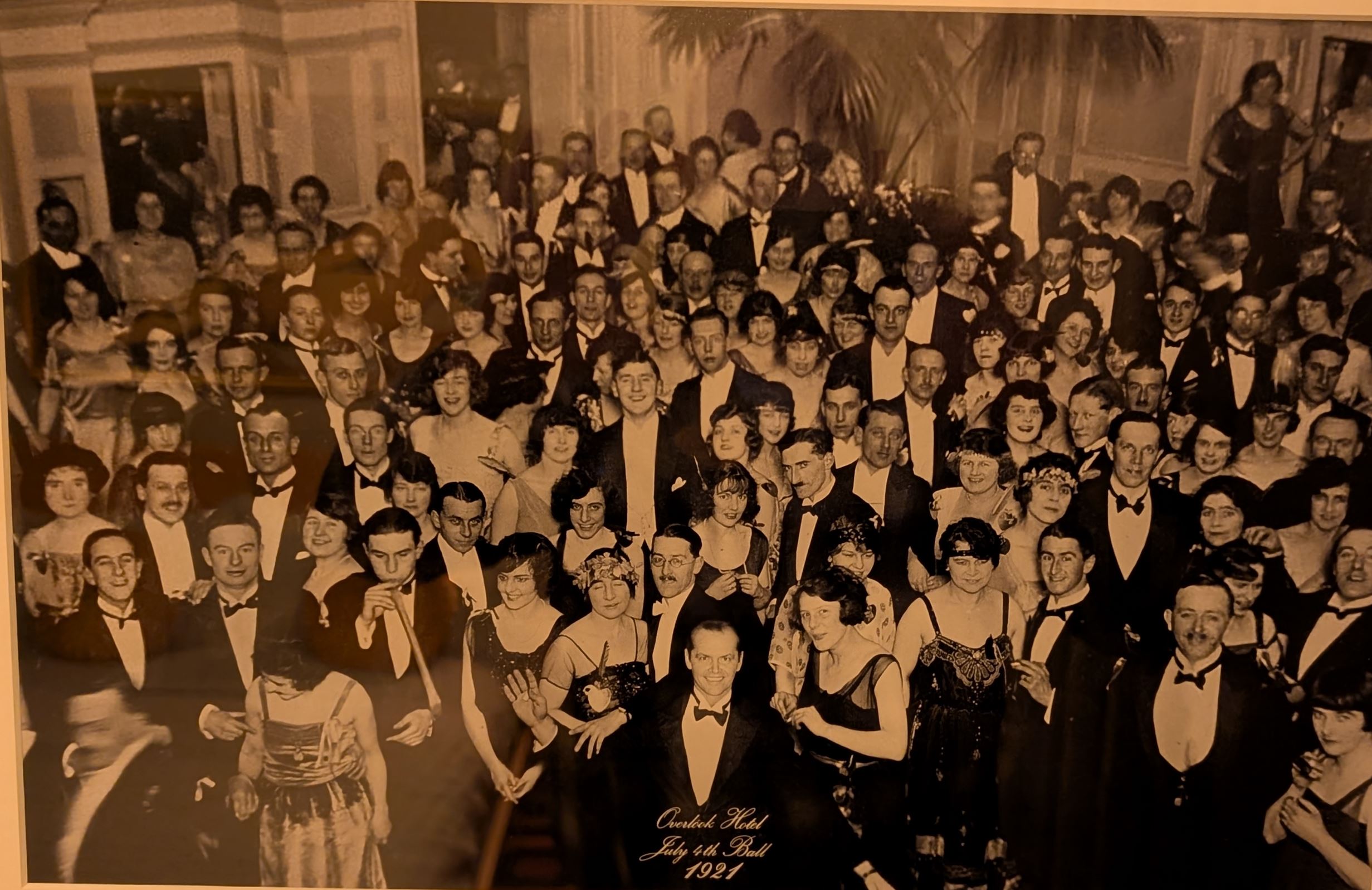
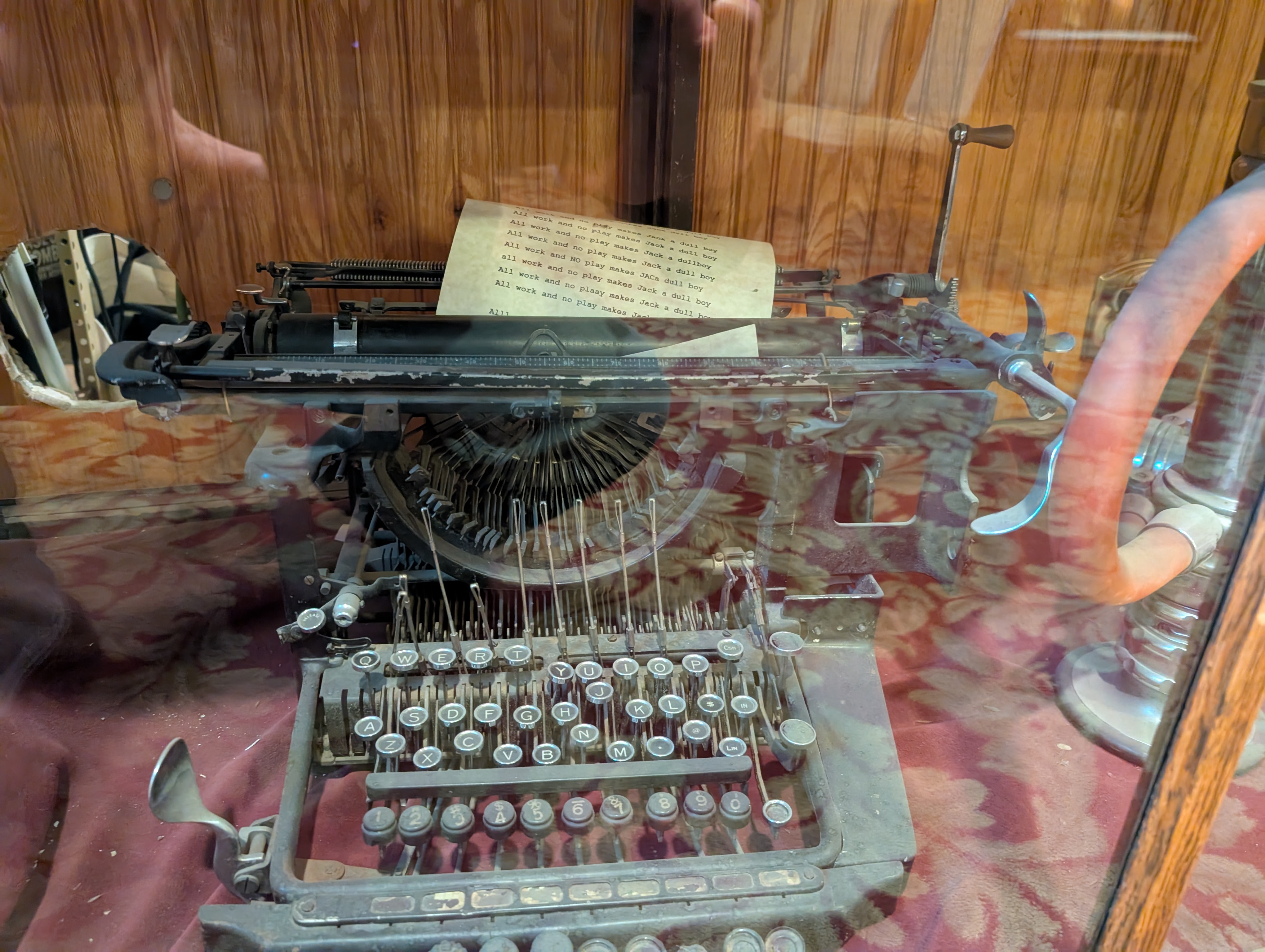
A couple years back I got to visit the Stanley hotel in Estes Park Colorado. The Stanley is where Stephen King got his idea for The Shining – A classic novel, and later movie, about a writer and his family becoming caretakers of an old hotel during the winter season.

In 1974, Stephen King and his wife, Tabitha, were living for a short time in Boulder, Colorado and were taking a driving trip up past Estes Park. They did not intend on staying in Estes Park, but the heavy snow prevented them from driving on so they decided to spend the night. The hotel was closing for the winter, but, after some negotiation, allowed them to stay as the only guests in the entire place.

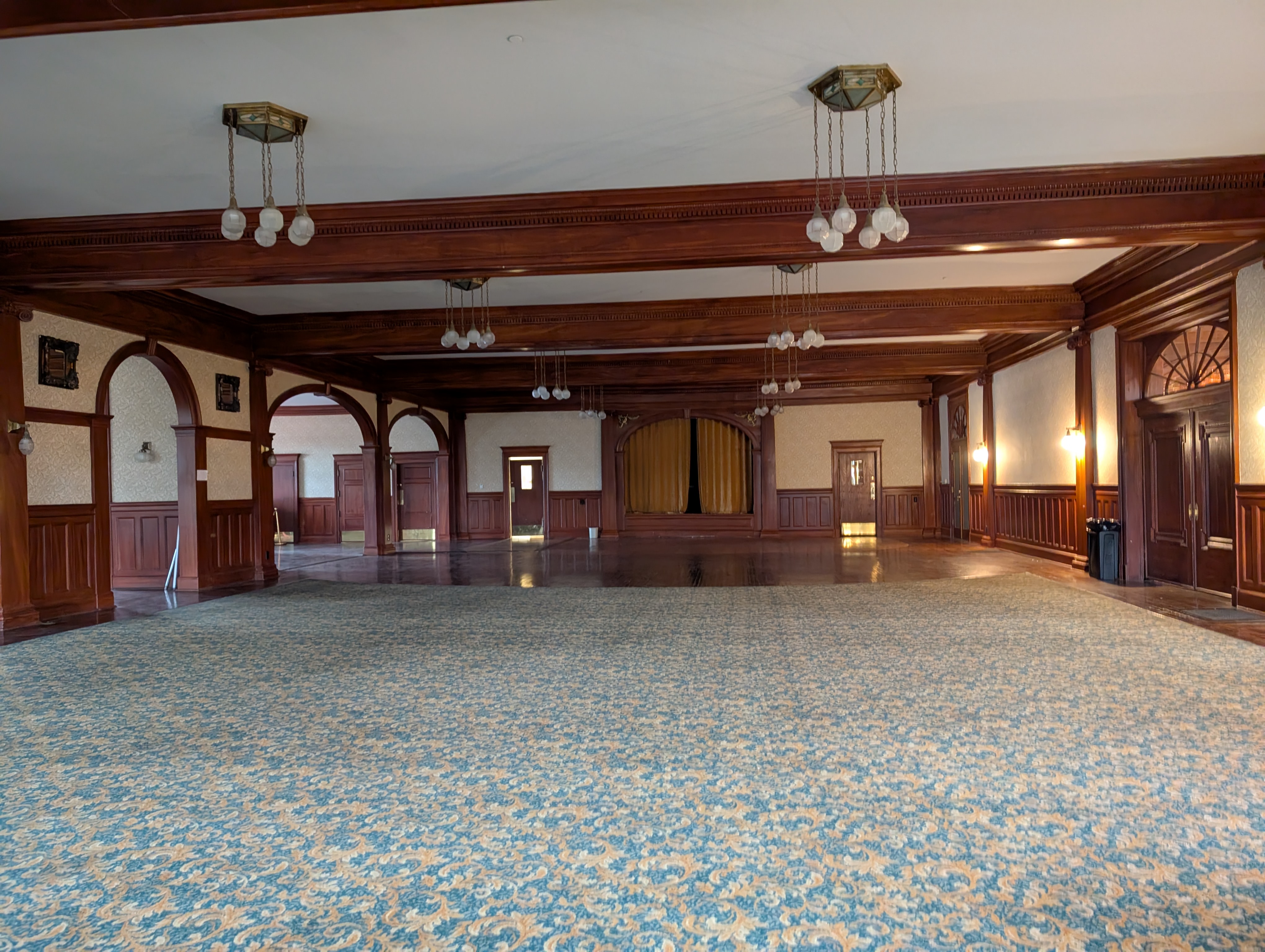
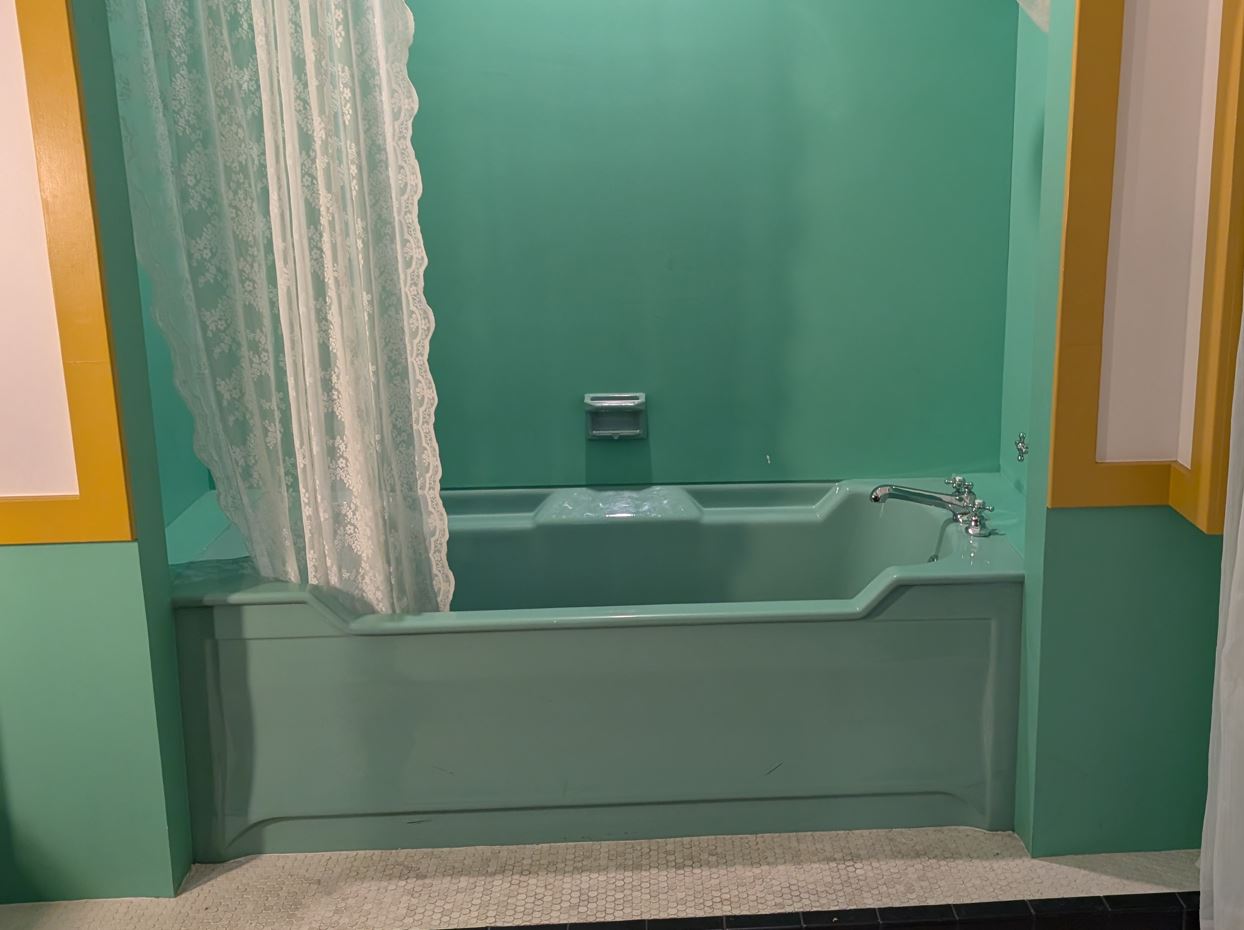
That eerie setup gave King the perfect atmosphere for a horror writer: long empty hallways, a quiet dining room with chairs stacked on tables, canned orchestral music echoing through the building, and a bartender named Grady serving drinks in the hotel bar. At one point, King wandered into the bathroom, saw the old claw-foot tub behind a pink curtain, and had the thought: What if someone died here? According to King, that was one of the moments when the idea for The Shining began to take shape.

The night also gave him a nightmare that helped seal the story. He later described dreaming about his young son running down the hotel corridors, terrified, while being chased by a fire hose. King woke up sweating, sat by the window looking out at the Rocky Mountains, smoked a cigarette, and by the time he was done, he said he had the basic structure of The Shining in his head.

It should be noted that the movie is very different than the book. King did not like what Kubric did with the story and eventually filmed his own version at the Stanley hotel. I did enjoy Kubric’s vision for the movie but, to me, the book is definitely better.

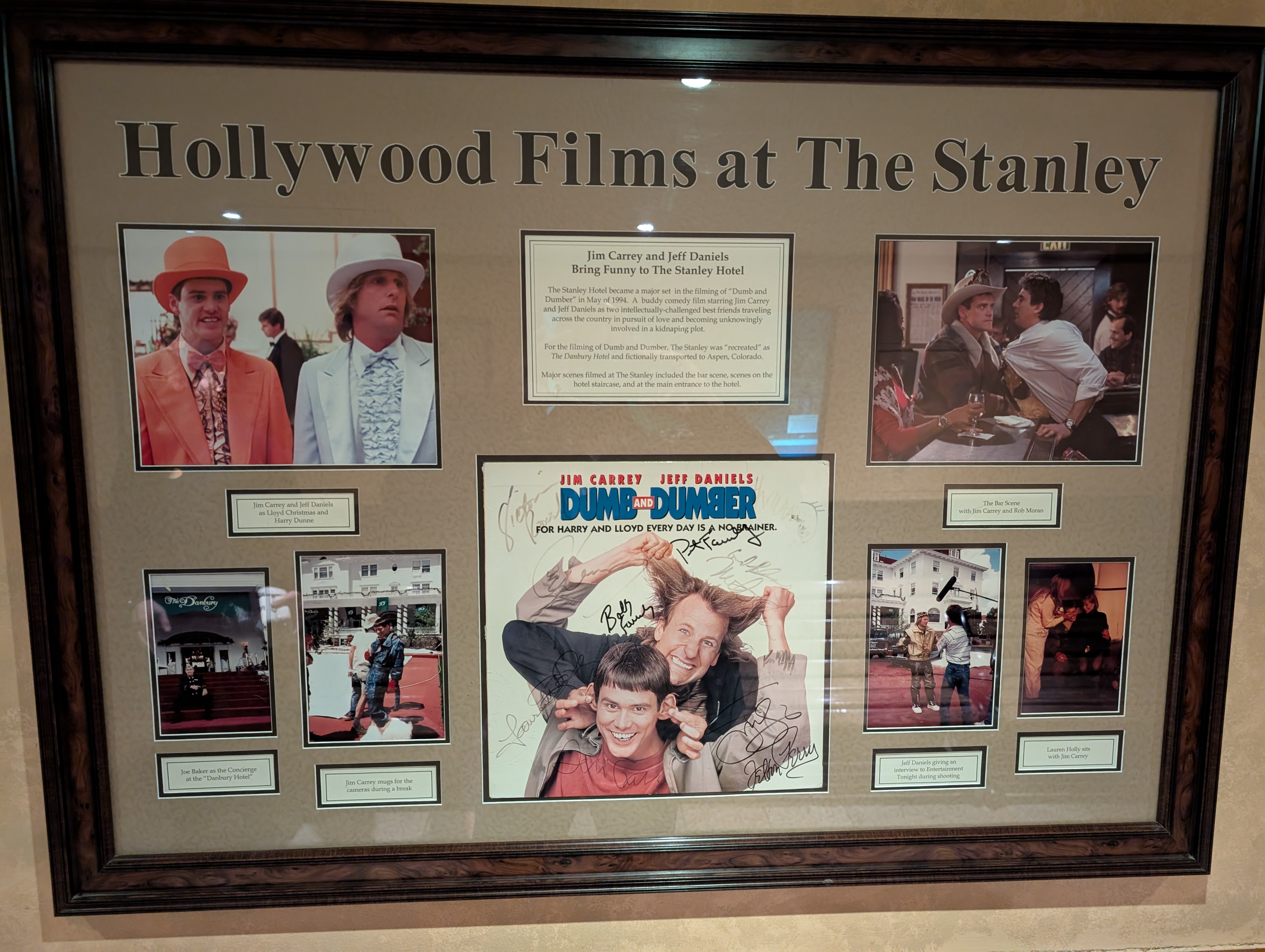
The Stanley is also where part of Dumb And Dumber was filmed. Supposedly actor Jim Carrey was staying at the hotel (in room 217 – the same room the King’s stayed in) with the rest of the crew but he got so freaked out by something in his room he left in the middle of the night. He stayed elsewhere in town for the rest of the shoot. He has never publicly talked about this experience.

I loved hearing how the location and creepy old hotel gave King the idea for his book. We never know where story ideas will come from. It was thrilling for me to walk through the buildings and think about how that place in Estes Park triggered his imagination so many years ago.

What has been the most unexpected trigger for your story ideas?

-James

What Happens Next? Holding Intrigue Without Losing the Reader

One of the most common problems I see in newer writers is the idea that mystery automatically creates interest.

It can, of course. Suspense matters. Curiosity matters. The reader absolutely wants a reason to keep turning pages.

But a lot of novice writers end up holding back so much information that it becomes difficult to care about the main character. This makes the whole story hard to care about. The reader becomes confused, and confusion is one of the main reasons readers quit reading.

There is a real difference between making the reader ask, “What happens next?” and making them ask, “What is going on here, and why should I care?”

Driving curiosity

Readers do not keep reading just because information is missing. They keep reading because they have just enough information that they want more.

They need to understand who they are following, what appears to be happening, and what kind of direction the scene is moving in. They do not need every answer right away but they do need enough clarity to form questions that feel meaningful.

If I open a story and a woman runs out of a church crying, clutching a torn envelope, I already have something to hold onto. I may not know what was in the envelope. I may not know why she is crying. But I understand enough about her plight to feel pulled forward. I have some open questions that keep me interested: Why is she crying? What is in the envelope that has her so upset? Why is she fleeing the church?

If, on the other hand, if the woman is crying and she doesn’t understand why or we are not given enough hints to suggest why, then that kind of mystery often creates distance instead of momentum. This is especially true if the reason for the crying remains open for a long time.

Withholding everything is rarely the answer

I think a lot of new writers believe that if they explain too much, they will ruin the suspense but usually the opposite happens.

When writers withhold too much, the story starts to feel evasive. Scenes hint at danger without defining any real stakes or conflict. The reader is expected to stay invested without being given enough reason to keep going.

You only need to hold back the key information

We do not need to hide a lot. We just need to hide the right thing(s).

Let the reader know the scene, the character’s emotional charge, and the general direction. Hold back the one crucial piece that changes how we interpret it.

Good mystery fiction is a great example of this. A detective can arrive at a crime scene, notice the broken watch, the open window, the missing photograph, and the mud on the carpet. This gives us a lot to work with. The writer is not starving us of information. The writer is guiding our attention while withholding the one or more facts that will reframe everything for us later on.

This set up feels satisfying to the reader because they are engaged in active discovery.

Suggest a direction

One of the best ways to keep readers hooked without becoming obscure is to suggest a direction.

Even if the final destination turns out to be different from what the reader expected, that sense of the story “going somewhere” is important. It gives the reader a line to follow.

If the story offers no direction at all, the reader has to do too much work just to understand why the scene exists. Sadly, sometimes a scene like that shouldn’t exist.

A few useful examples

I remember reading Shirley Jackson’s The Lottery In high school. It’s a great example of controlled withholding. Jackson does not explain everything right away, but instead gives the reader a clear setting, a social ritual, and an ever-growing sense that something isn’t quite right. But she does it in a way where the story doesn’t feel vague. The withheld information is such that we don’t feel lost in the story or confused. She omitted just enough and that kind of precision is what gives the twist ending its force.

You can also see this in film. In Jaws, we do not need endless concealment to feel tension. We know there is a shark. We know the beach town is in danger. We know Brody is heading toward a confrontation. The intrigue comes from escalation and anticipation. There are specific details – in particular the sight of the shark – that is withheld in a way that builds wonderful tension. If you have a chance watch jaws again, it is interesting to see how little of the shark is actually shown. So much is revealed by showing us the effects of the shark but not the shark itself.

Readers want discovery

Readers love putting clues together. They love sensing that there is more beneath the surface. They love the moment when a scene shifts and something clicks into place.

If you want people asking, “What happens next?” then give them just enough to believe the answer will be worth it.

Hold back one or two key pieces but suggest a direction. Then let your story lead the reader into discovery.

A good question to ask while revising

When I am looking at a scene that is supposed to feel suspenseful or curious, I like to ask myself:

Am I causing the reader to leaning forward into the story, or am do I have them confused?

This is a lot trickier to answer than it seems. We know everything about the story so it is hard to fully picture where we might be leaving out too much. We often expect the reader to make bigger jumps and put more together than they often can because we know how it all fits. This is where clarity is once again king. Note that clarity is not the same as revelation. you can be clear and still withhold key information.

If the scene is clear about character, stakes, and objectives (telling us why we should care) , the reader will usually lean into the story.
If the scene is built on a hazy reality with a lot of omission, the reader will usually drift away. I see this a lot in stories where the protagonist is unaware of where they are and what they are doing there. Starting with amnesia is a tricky bit. I loved the movie (and the book even more so) Project Hail Mary but I felt that aspect should have been done differently.

Let me know in the comments below what your thoughts are on how to omit key information and still keep the story engaging.

-James

Story Arc and Character Arc

One of the most common weak spots I see in submissions is the lack of a real story arc or character arc.

Unfortunately, this is a frequent reason I reject stories.

Often, what I receive is not actually a full story but a scene. Something happens. It may be vividly written. It may even have an interesting premise. But the protagonist is not really challenged, doesn’t (or can’t) struggle against any significant conflict, and does not change in any meaningful way.

The protagonist should want something, face obstacles, and have to figure something out, fight against something, or make a meaningful choice. The plot should put pressure on the protagonist. Their actions should matter. By the end, something should be different: externally, internally, or, hopefully, both.

Many of the submissions I see feature a protagonist who is simply carried through events. Things happen to them, but they do not take part in shaping the outcome. As a result, the piece can feel static, even when the writing and premise are strong.

Story Arc:

To me, a story arc is the shape of the plot that happens around the character. There is a school of thought that there is really only one plot line: the Hero’s journey. I have mentioned the Hero’s journey before and that’s a topic deserving of a whole blog post of its own.

Character Arc:

A character arc is should be thought of in terms of personal growth. How did the events change the character by the end of the story? What did they learn and how are they different? In the Hero’s Journey the hero comes home at the end but is changed and often sees the familiar world they came back to in a different light.

Great stories have both a strong story arc and a strong character arc.

And if I have rejected a story you submitted for one or both of these reasons, don’t feel bad, This is understandable because many stories start getting written when the author has a general scene or idea in mind. But the next step should be to ask more of your creation. What does the protagonist want? What stands in the way? And, most importantly, what will this experience cost them or teach them?

Without that, a piece tends to feel like an interesting scene rather than becoming a fully realized story.

Three Key Questions to Ask yourself about what you just wrote

  1. What does my protagonist want, and why can’t they have it? (Tip of the hat to David Mamet for this one) A story needs desire and opposition to create what I like to call “driving conflict.”
  2. Does my protagonist make choices or take actions that affect the outcome?
    The protagonist should have an opportunity to shape the events of the story. They should not be merely a victim (Note that a lot of horror stories I see end up this way. If you are writing horror make sure your protagonist has at least a glimmer of hope to win.)
  3. How is my protagonist changed by the end of the story?
    Character change does not have to be positive (maybe they become morally worse for the experience) but something about them should change by the end of the story.

Hopefully this helps you to look at your writing from a new perspective. If you take the time to really understand story arc and character arc, it will absolutely make your stories stronger and more engaging.

Let me know what you think in the comments below.

-James

Story Endings: Choosing the best outcome

One of the most satisfying things about a short story should be the ending. We want the protagonist to win in a unique and fulfilling way (or die trying) and we want the villains to get what they have coming to them.

Unfortunately, the ending can also be the most disappointing part of the story if not done correctly. Curiousfarmer and I often talk about how Stephen King tends to leave us wanting with his endings. He does a great job with character and clear, digestible, writing, but often tapers off when it comes to closing out the story.  

During the first draft I usually write an ending that is the most obvious ending.  There isn’t anything necessarily wrong with the ending and I typically do a good job of wrapping up any loose threads, but I have learned that there is usually a better way for me to end my stories.

The first idea for an ending is very rarely the best and most rewarding ending for the reader.

This is where putting down the story for a while and spending some time thinking about it pays off. I have a relatively long commute to work, so I will leave the radio off and just think about the story from a plot and logistical standpoint – turning things around, moving chunks, introducing twists and surprises to see what it could be.

David Mamet talks about going through all of the possible endings and when you get to the most outrageous one that is still plausible, that is usually the one you want to go with.

I do agree that having a certain amount of surprise in an ending can be very rewarding.  Mamet likes to use the terms “Surprising and inevitable” when it comes to story endings. I have become a big fan of this concept as it rings true for me.

Another way that I have found to determine if I have a justified and suitable ending is to look at all of the characters and ask: “Did they get what they wanted? And did they deserve it? Meaning, is their final situation justified?”  This also helps to highlight any loose threads I may not have closed out.

Some people like to look at the conclusion of their stories from a thematic or lesson standpoint. I tend not to put a lot of emphasis on the message a story is trying to send or what the reader should learn from the story. My approach is much simpler in that I am looking for the story to be entertaining. That may make me less literary than most, but I am okay with that.

Let me know how you determine whether your story has the right ending?

-James

Antigravity

I have been working with Google’s Antigravity code development tool recently. And while that seems like a strange thing to open with for a writing blog, here is why I think it might matter to us:

Antigravity is a development environment for coding that has AI built in so that instead of writing all of the lines of code yourself, you can “vibe code” which is basically talking with the program in plain language and telling it what you want.

While “programming” with Antigravity I found that the more detailed and deliberate I was with my description, the better the results. This made me realize that our talents as fiction writers will be very useful when working with AI now and in the future.

AI can do a lot of very amazing (and scary) things but it needs us to be able to describe in detail what it is that we want it to do.  The better we are at that, the more useful we will be when working with AI, which I suspect will be a very desirable skill in the near future.

As I try to follow the rapidly changing landscape of AI, I find this a refreshing thought that gives me a glimmer of hope.

At least for now…

Let me know what you think.

-James

Ten Story Tropes to Avoid

Here are ten common tropes that have been used so often they’re usually better avoided. Also, I have to admit that most of these are seen more in movies, but I still consider that storytelling so, let’s just go with that and let me get away with it this one time. Thank you.

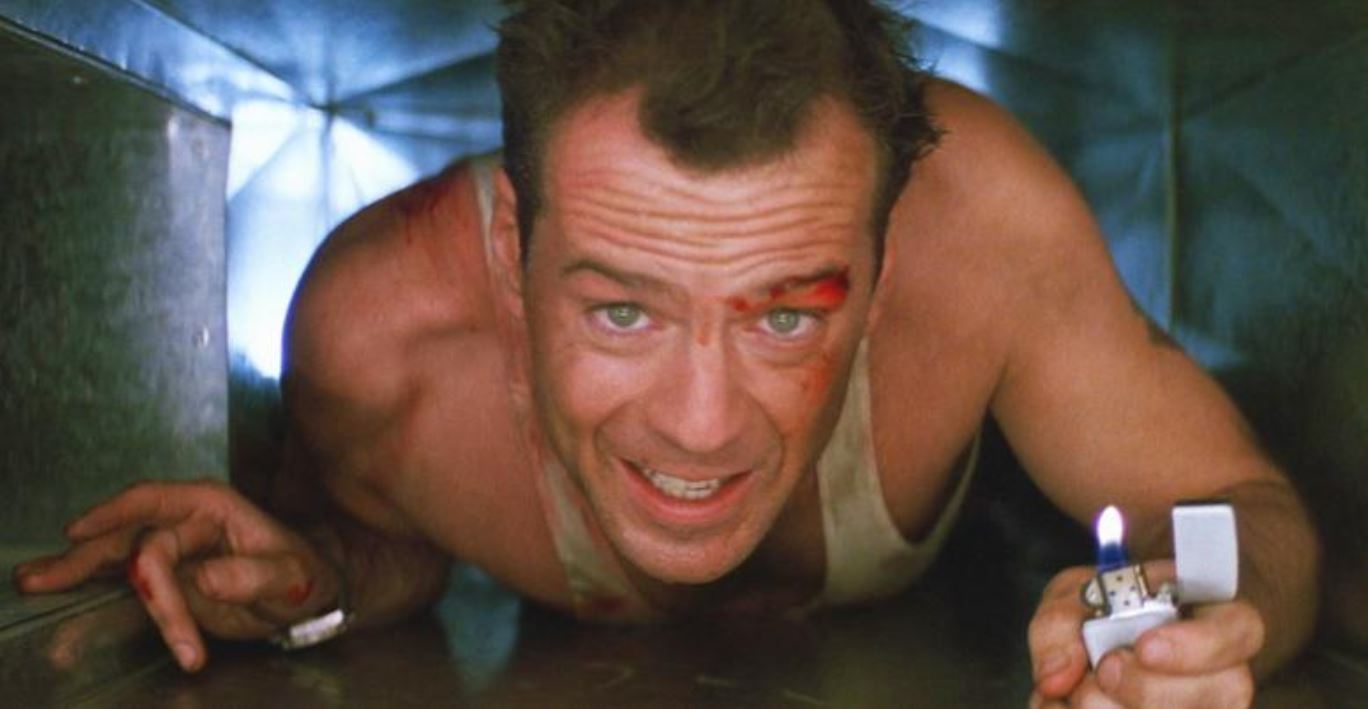
1. Crawling Through Air Vents

This one shows up constantly in action movies and thrillers. A character escapes or infiltrates a building by climbing into the ventilation system and crawling through ducts like they’re made for human travel.

In reality, most air ducts are thin sheet metal that won’t support a person’s weight. They’re also cramped, and if they are heating ducts would get pretty hot and probably cause you to pass out.

Once you think about how unrealistic this trope is, it becomes hard not to laugh when you see it.

For Fun I found a blog post that lists the top 5 air vent scenes in movies.

2. The “Knock Someone Out for a Few Minutes” Trick

This is where a character knocks the guard unconscious with a punch to the head. The victim wakes up later with nothing worse than disorientation or a mild headache.

In reality, a loss of consciousness lasting more than a few seconds is a serious brain injury. If your character regularly knocks people out this way, they’re probably leaving a trail of permanent neurological damage behind them. I would much rather see some chloroform on a rag get held in front of the guards mouth and nose, or a taser disable them for a moment.

3. The Conveniently Overheard Conversation

Your protagonist just happens to walk past a door just as the villain is revealing his entire plan.

No effort required. No investigation. Just perfect timing. (see also my post on what role luck should play in fiction)

This trope removes agency from the main character and replaces it with coincidence. Information in a story like this should come from effort, not luck.

4. The Villain Explains the Entire Plan

This works for me in the Bond movies because it sort of “is what it is” in those. I feel like those movies define the whole trope and I give them a pass for it. But even then it’s still clear that this kind of exposition exists purely as an information dump. If these were real villains, monologuing their evil plans would be very careless. There is really no advantage to doing that, unless you want to compromise the 4th wall and let the audience (or in our case reader) in on something.

5. The Countdown Clock

A bomb is set to explode in exactly ten minutes. We can tell this from the red LED display conveniently visible to the hero. Being a very technical person, this one has driven me crazy for years.  Bomb timers based on old-style alarm clocks where the alarm goes off and there is a physical contact closure built into the bell mechanism, yeah, that makes practical sense. Spending extra money and design time to put a digital LED read-out into something that will blow up seems like a lot of unnecessary cost and work.  It’s good to have a metaphorical ticking clock that provides pressure for the protagonist but it’s doesn’t have to be a real one and it rarely makes practical sense to have a LED display.

6. The Instantly Hacked Computer

A character types furiously for ten seconds and announces:

“I’m in.”

Complex computer systems do not collapse instantly under a few keystrokes. Real intrusion involves research, social engineering, and patience.

I also see this kind of instant solution when a character in a movie goes to hotwire a car – they put two wires together and have it running in a matter of seconds. I guess we are just supposed to ignore the fact that it would take more wires than that and the fact that the steering wheel is usually locked.

7. Guns That Never Run Out of Ammo

You see this when characters fire dozens of rounds without ever reloading. I have to admit this has gotten better in movies lately but you do still see it. The new foul is that they change magazine so often now you wonder where they were keeping all of that heavy ammo when the chase scene was happening.

In fiction, running out of bullets is often times more interesting than having an infinite supply.

8. The Totally Useless Security Guards

In many stories, guards exist only to be knocked out or distracted.

They rarely communicate with each other, never notice obvious problems, and seem completely unaware of their surroundings.

A competent security system has multiple guards, cameras, procedures and can create much more interesting obstacles for your characters than the cardboard cut-out guards we usually see.

9. The One-Line Medical Miracle

A character receives a serious injury but is fine after a quick bandage and a few minutes of rest.

Broken ribs, stab wounds, and gunshots tend to have a much longer recovery times than a few minutes. Think about the last time you were injured in anything more than an inconvenient way and how much that slowed you down. I literally had my back go out when I was turned wrong and sneezed one time and I was basically disabled for three days, bordering on tears when I went to put my socks on. I have to imagine being shot in the stomach would slow me down quite a bit more than that.

Injuries that actually affect a character’s abilities make stories much more believable and raise the stakes.

10. The “It Was All a Dream” Ending

Few endings frustrate readers faster than discovering that the entire story didn’t really happen. Now, I did just see the Wizard of Oz at the sphere (which I equate to Disneyland in the expense and “gotta see it at least once” factor) and I am giving that movie a pass at this but for every other piece of fiction, you have to realize that dream endings are a cheat. They erase consequences and invalidate the emotional investment the reader made throughout the story.

Unless the dream itself is the point of the story, this trope almost always a bad idea.

The Real Problem with Tropes

The problem comes when tropes becomes so familiar that the stop feeling like a story choice and start feeling like lazy writing.

Readers enjoy stories where events happen for believable reasons, where characters solve problems through effort and skill and where the world behaves in ways that feel authentic.

If you find yourself reaching for one of these tropes, ask a simple question:

“What Could really happen instead?”

The answer is often surprising and far more interesting than the cliché. Spend a bit more time thinking through potential endings and as David Mamet would say, “make them surprising and inevitable.”

-James