Thank you for your submission, but unfortunately it just didn’t grab me…
It is easy to see rejection as a failure. We often assume that the odds simply did not fall in our favor. But there is another possibility that we writers do not like to consider:
Maybe the story simply isn’t ready yet.
You Are Too Close to Your Own Work
Accurately judging the quality of your own work is one of the most difficult parts of writing.
Because you created everything, you inherently know what every character is thinking. You understand the interactions behind every relationship and you can clearly see the setting in your imagination. When you read a scene, your mind automatically fills in details that may not be evident to other readers.
You may have read the story so many times that you are no longer reading what is actually on the page. You are reading the improved version that exists in your mind.
This is why rejection can be valuable.
An editor who turns down your story may be saving you from publishing work that does not yet represent your best abilities. In a way, rejection is protecting your brand.
A Little Pain Can Prevent a Lot of Embarrassment
Receiving a rejection is painful.
Having a weak story published where hundreds or thousands of readers can see it is much worse. I have had one story published that ended up in print that had a typo – my typo. As much as I love that story and getting it into print, I am embarrassed every time I see that. In the annals of this very blog, I often only notice typos and grammatical issues after the post goes live. It is easy to read past those little issues.
A rejection keeps an unfinished story out of that spotlight. It gives you another opportunity to reconsider the opening, strengthen the characters, remove unnecessary scenes, improve the ending, or rewrite the entire piece if necessary.
That editor may not have given you detailed feedback. Most editors do not have the time. Still, the rejection itself contains useful information.
Rejection Is a Chance to Return to the Drawing Board
Instead of immediately sending a rejected story to the next publication on your list, take a moment to reconsider it.
You do not necessarily need to rewrite the story after every rejection. One editor’s opinion is still only one editor’s opinion. However, repeated rejections should eventually trigger a serious review.
Look at the story as critically as you can.
Does the opening create a reason to keep reading?
Is every sentence, or word in flash fiction, necessary? My metric on this is whether the sentence or word in question serves to move the story forward or to develop the character.
Does the main character want something specific and is there a reason they can’t have it (creds to David Mammet)?
Is there enough conflict?
Is the ending satisfying, surprising and inevitable (Mammet again)?
If you haven’t done so already, you should give the story to a trusted reader who has not seen it before and resist the urge to explain what the story is about. Let the reader experience it naturally. When getting feedback from them later, pay close attention to where the reader became confused or where the story felt like it was dragging for them. This is an issue I see in many submissions.
Be Grateful for Rejection
The editor who rejected your story has done you a favor. Instead of allowing a less-than-stellar version of your work to appear in front of thousands of readers, that editor gave you an opportunity to improve yourself and your work.
If you allow the sting of rejection to pass take that message for what it is worth – an indication that something needs to change, someday a much better version of that story could be accepted.
When that happens, it will feel so much better because you used rejection to improve your story and yourself. You will be proud of the work knowing it is the best you can put forth.
For this week’s post, I am going to share one of my first stories. It is embarrassing in a lot of ways, and yet I find some redeeming qualities in it as well. Unfortunately, I have never been able to land it. The first rejection I have on record for it was in July of 2010 and the most recent rejection was September 2022. I see nine rejections on record, but probably had more before I started keeping track.
What I love about this story is that it has a more complex structure than I probably should have attempted so early on. I am happy to see that there is an actual story arc and an attempt at a rewarding ending. I am also glad to see that somewhere along the line I changed the title from Things Remembered to That Dirty Bunch. Neither title is great, but Things Remembered is a horrendously vague and terrible title. I have no doubt it was being rejected for that alone. It is also encouraging to see how far I have come as a writer.
That Dirty Bunch, by James A. Miller
My name is Walter Evans. The events I am about to reveal will seem improbable, impossible even, and anyone reading this may think it to be the wild ramblings of an old man. I assure you that I am of sound mind. My motivation is to get the tale told before my time comes.
Do with it what you will.
The year was 1937, and the day was a Sunday in late summer. I am sure the event is on record, as I remember seeing something about it in the paper, but the event as reported was, of course, nothing close to what actually happened. Yes, it’s true there was a fire, but that was the least of it.
That day my brother, Adam, and I were sent to Sunday School by ourselves. My mother had taken ill with what was thought to be the Rheumatic Fever and my father had stayed at home to change the wet head towels used to keep the fever at bay and to otherwise care for her.
During church, Adam and I would occasionally look out the open stained-glass window pane to see five kids who belonged to what my mother called “That Dirty Bunch.” From the confinement of our pew, Adam and I would watch those five playing their regular game of baseball in the dusty lot next to the church. We spent many a summer Sunday in the sweltering pews, fanning ourselves with bulletins, looking out at those four boys and one girl playing ball, longing for their freedom.
On that Sunday, we did as we were told until it came time for our expected appearance at church service. The service, which was held after Sunday school, was geared for adults and quite boring. We instead opted to skip out to get in some time with the kids playing next door.
As we approached, the group looked us over, unsure of our intentions. While we were too young to know words like “class differences”, we felt an obvious social chasm.
As Adam and I walked toward them in our Sunday best, our stomachs still full from breakfast, I noticed how skinny and scruffy the five looked. We crept closer. I expected one of them would say something to break the tension, but they remained silent and still, watching and looking vacantly at Adam and me as we walked right up to them. To see their faces, you would have thought we came in a rocket ship and asked to see their leader.
“You mind if we play some ball with you?” I asked the tallest boy.
He wore bib overalls with no shirt underneath. One strap held in place by a safety pin where the buckle no longer worked.
“You ain’t got no glove,” he answered.
“That doesn’t matter to us,” I replied.
The boy eyed us suspiciously, looking for the angle.
“Come on, let ‘em play, Allen,’ said the girl. Her dress – more tattered than dirty – contained tiny blue flowers faded with time. A head of tangled black hair partially obscured her freckled face.
“You shut your mouth, Cora Lynn,” the boy fired back.
But it was a strong enough suggestion to convince him, and with the relaxing of his expression, I knew we were in the game.
“That there is my sister, Cora Lynn. She gets mouthy but don’t pay her no never mind. Over there is my youngest brother, Michael, and these other two are Joe and Jason. They is our cousins.”
“We knew you’d come eventually,” said one of the cousins.
Joe and Jason were about my age. Homemade clothes hung loosely on their thin frames, both outfits made from the same bolt of fabric, maybe two summers before. I nodded to the cousins, and they nodded back. Michael – maybe five years old – had deep-set blue eyes in a gaunt face that suggested at something more than a childhood innocence. I nodded to Michael, but he only stared back at me. I turned to Cora Lynn.
“I’m Walter, and this is my brother Adam.”
Cora Lynn walked up to me, close enough I could smell the natural light apple-sweet scent of her body.
“You can be in the outfield with me, Walter,” she said.
“Don’t you two start to kissin’ out there.”
“Shut up, Allen,” Cora Lynn said.
I wasn’t quite at the age where I was supposed to like girls, but I remember thinking that I wouldn’t have minded it if she did kiss me.
We took our places: Cora Lynn and me in the outfield; Joe, Jason, and Adam on each of the bases, and little Michael pitching to Allen. On the very first pitch, Allen jacked a high long one into the churchyard that bounced and rolled right up against the concrete foundation. There was no hope of getting the ball back before Allen’s lanky legs would take him around the bases, but being new to the group I had to prove my worth. I ran as hard as my slick-bottomed dress shoes would let me. As I reached down for the ball, I heard electricity, a continuous arcing and buzzing,and picked up the scent of what I now know to be ozone.
I stood, ball in hand, and looked in through the open pane of the stained-glass window to the source of the sound. I am still not precisely certain of what I saw as it was too much for any mind to take in, but here is my best account:
I saw the Reverend Johnson; his arms and legs outstretched in an “X”. Bolts of electricity were coming off of each limb, the arcs dancing, extending out to the walls of the church. The torrents of current appeared to be holding him in place about three feet off the ground. At the center of his body was an orange-red swirling mass of fire with a bright white center that hurt my eyes to look at it. The Reverend’s head blurred as it swiveled unnaturally fast, and his mouth kept pace with an incantation not of words, but syllables and utterances in a dark voice that I did not comprehend, but knew I should fear on some deeper level.
I looked at the congregation. Blue flames danced above the backs of their heads as they sat motionless in the pews.
I had no idea how long I was alone at that window, but felt the presence of the others as they joined to see what I was looking at. The seven of us pressed together and watched as the fiery swirling mass at the center of the Reverend grew.
I felt Cora Lynn against me. Even in that state of shock, I still remember the sensation of the cool fresh sweat of her arm touching mine and the warmth of her body next to me.
Out of the bright center of the fiery vortex came a long dark object. The smell of ozone was overpowered by a combination of rotting flesh and sulfur so thick and permeating I could taste it. The object rotated and then opened, maggots dripping, allowing the form to become recognizable. It was a hand with dark claw-like fingernails and wrinkled knuckles.
I didn’t see Michael leave, but moments later he was walking down the aisle of the church, where so many brides had trod. A bright yellow light emanated from him.
The claw and now and arm were hanging out of the center of the Reverend. A shoulder and a horn had also started pushing through, stretching the vortex.
As Michael walked toward the emerging beast, I heard him speak in a calm, authoritative voice.
“Now is not your time, Demon. You are not allowed here.” Cora Lynn grabbed my hand and led me away.
“Don’t look,” she said.
She took me to the middle of the churchyard and pulled me to the soft grass with her. The other kids surrounded us, and it was then that we were no longer children, but young adults. I looked down at her and realized that we had both become naked, but there was no shame. As she pulled me to her, a snow-white haze fell upon us, and I saw that the children had grown white wings and were holding their hands and faces to the sky. I gazed into her eyes, and felt myself fall into them. I fell to where I could see what was happening, the sins of the Reverend that caused the demon to choose him as the portal. I fell to where I could see the sins of all mankind, and the burden they created, then on through to where there was hope and eventually triumph. I fell to where I ceased to exist and felt a lightness and joy. I fell to both ends; the beginning and end of all things and felt the intense flash of creation.
I then found myself sitting in the churchyard, back in my Sunday clothes, laughing, although I had no idea why. Not far from me, Adam was crying. Cora Lynn and the rest of the dirty bunch were gone.
Adam and I walked through the church down the same aisle Michael had walked when he cast out the demon. Ahead of us a scorched pile of ash that was the Reverend Johnson, to each side and at the piano dead church patrons. Their eyeballs burned from their sockets. The smell of ozone, rotten meat, and sulfur lingered still. Dead maggots, curled and yellowed, littered the floor.
Adults later came with the fire trucks, followed by the Sheriff and his deputies. We told them we didn’t know what had happened. It wasn’t any sort of plan Adam and I had, we just knew what needed to be said. We stuck to the story even when our parents cross-examined us.
There were more questions for me when I later felt the pull and need to lead police to the bodies of the four boys and one girl buried in Reverend Johnson’s back yard. I told them I didn’t know how I knew what I did; that one of them would be wearing bib overalls and two of them would have clothes from the same bolt of cloth, that the girl would have a tattered dress with faded blue flowers and the youngest one was named Michael.
END
Well, there it is for all the world to see – or at least the few in the world that come across this Blog and take the time to read it.
If you have made it this far, feel free to let me know what you think in the comments below. I am particularly interested in where you think this story fails.
Most great stories need a hero for us to root for but what makes for a good one?
Here are some key characteristics that work for me:
Relatable
A hero does not need to be exactly like the us, but we do need to understand them.
This relatability often comes from emotional truth. What tends to make them tick? What is interesting to them and why? This interest or desire isn’t their main goal in the story but can relate to it. It’s more about how do they operate and often hints at why.
One character that comes to mind as an example could be a Heavy-Weight boxer who loves to raise pigeons. The characteristic of being a boxer is rather one-dimensional but add in the facet or raising pigeons and he now becomes more interesting and gives us a broader character to work with. There is a softer side to this brute which makes him interesting. Here is a person who can crush a man in the ring but also cares for fragile creatures. We want to know why he desires to care for the pigeons. Is it because he has a hard time relating to others? Does he see hope in the way they escape every day and fly off into the blue because he wants to escape his life? Does he find solace in how they always return home to him, something he may not have gotten from the people in his life?
Morality
A hero needs some kind of moral compass.
That does not mean they always make the right choice. In fact, seeing them not make the right choice is often better as perfect decision-making makes for a dull character. But inside them, there should be a sense of right and wrong, and it should often be tested.
The hero’s morality can help to give a story weight.
When a hero is faced with a difficult choice, we tend to feel what is stake internally for that character. Will they make the choice demanded of their moral code or cross the line?
The best heroes are compelling because temptation costs them something. Having them, crossing the morality line can also give us great material to work with in our stories.
Adversary
A good hero needs a good adversary because opposition gives the hero shape. Much in teh way we do not have black without white, or a front without a back, a hero is defined by what stands against him/her. The adversary reveals who the hero truly is.
A strong adversary challenges the hero’s beliefs, highlights our hero’s flaws, and pushes them to grow. The villain’s actions should challenge our hero’s deepest weakness.
The villain/adversary is a kind of mirror. They reflect what the hero could become if they give in to their flaw. The better the adversary, the more clear and compelling our hero becomes. A great hero rises to greatness because of what stands in their way.
Goal
Our hero needs to want something. The hero’s main goal gives the story direction and is something that we can plot the story around.
The main goal is usually external: win a competition, solve a murder, defeat the villain, return home etc. But strong stories pair the external goal with the hero’s internal need.
The hero may want to win a competition, but what they really need to do is to stop measuring their worth by each victory. They may be tasked to solve a murder, but what they really need is to forgive themselves for a past mistake. They may want to return home, but what they really need is to realize they no longer belong there and can never go home again.
External goals are used to drive the plot while internal goals drive the character arc. Having a great character arc, which is essentially just showing the character change or grow in a positive way, is one of the most powerful aspects to storytelling. It is very rewarding to the reader as we can all relate. We want to see the hero become better because we, too, desire to be better.
Flawed
Giving our hero a flaw may be the most important ingredient of all.
Flaws create friction. They create bad decisions which have consequences. A hero’s flaw typically relates to a “sin” (action that will be taken or has been taken in the past) at the heart of the story which will need to be addressed before they can attain the desired goal.
For example, Tony Stark in Iron Man begins as arrogant, selfish, and careless about the consequences of his weapons. His intelligence is not the problem. His wealth is not the problem. His flaw is his moral blindness. The story forces him to confront the damage caused by his own choices. Only when he takes responsibility does he begin to become a true hero.
I am also reminded of Robert Zemecis’s interpretation of Beowulf in which the hero king’s sin was to sleep with the tempting demon that bore Grendel, who later came to destroy the town. His flawed decision literally came back to haunt him.
A great hero needs to be relatable enough for us to understand, moral enough for us to care, and flawed enough to change.
Readers love our heroes because they struggle, fail, rise again and are morally better for the experience by the end of the story.
Let me know if the comments below characteristics you feel are important for strong heroes in our stories.
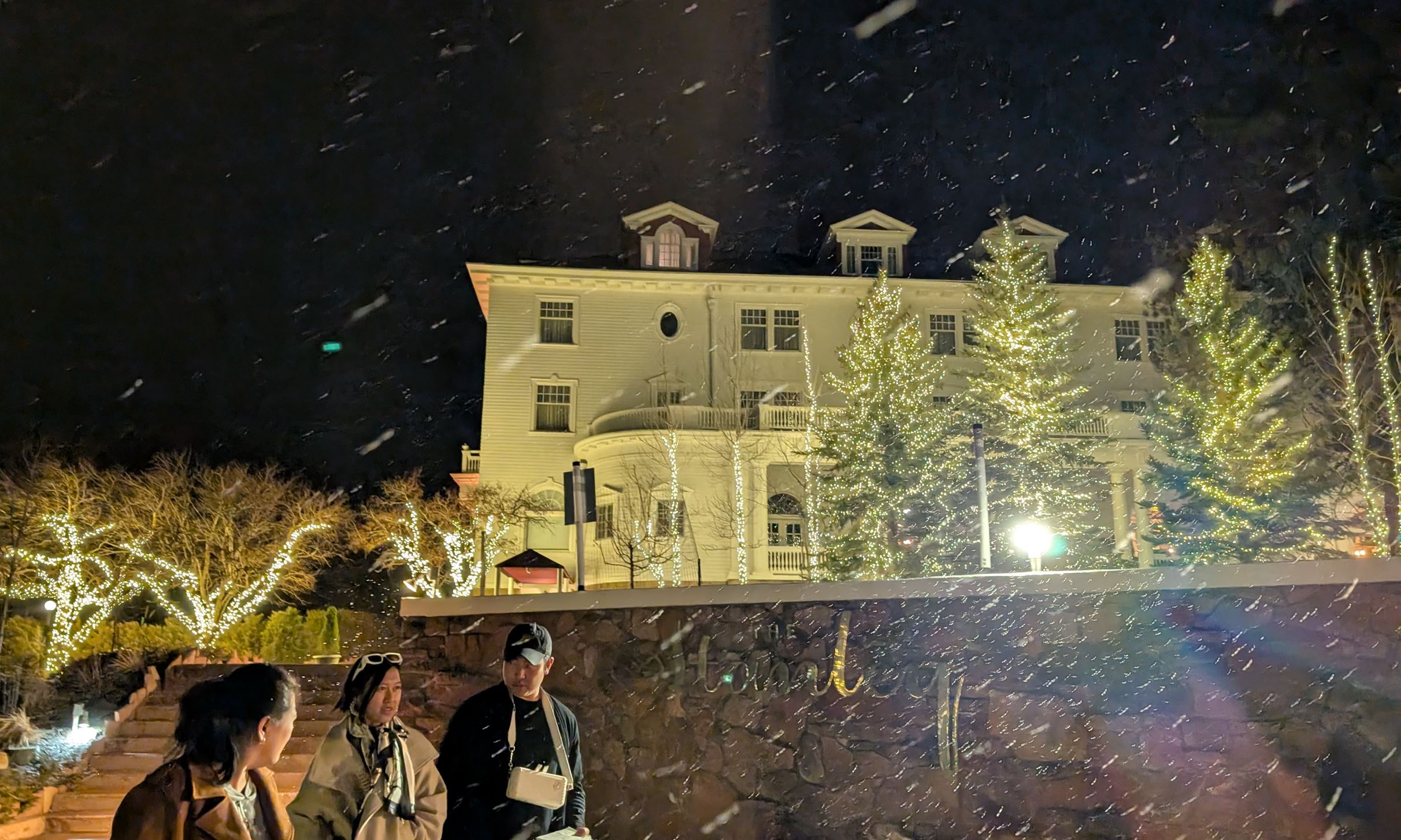
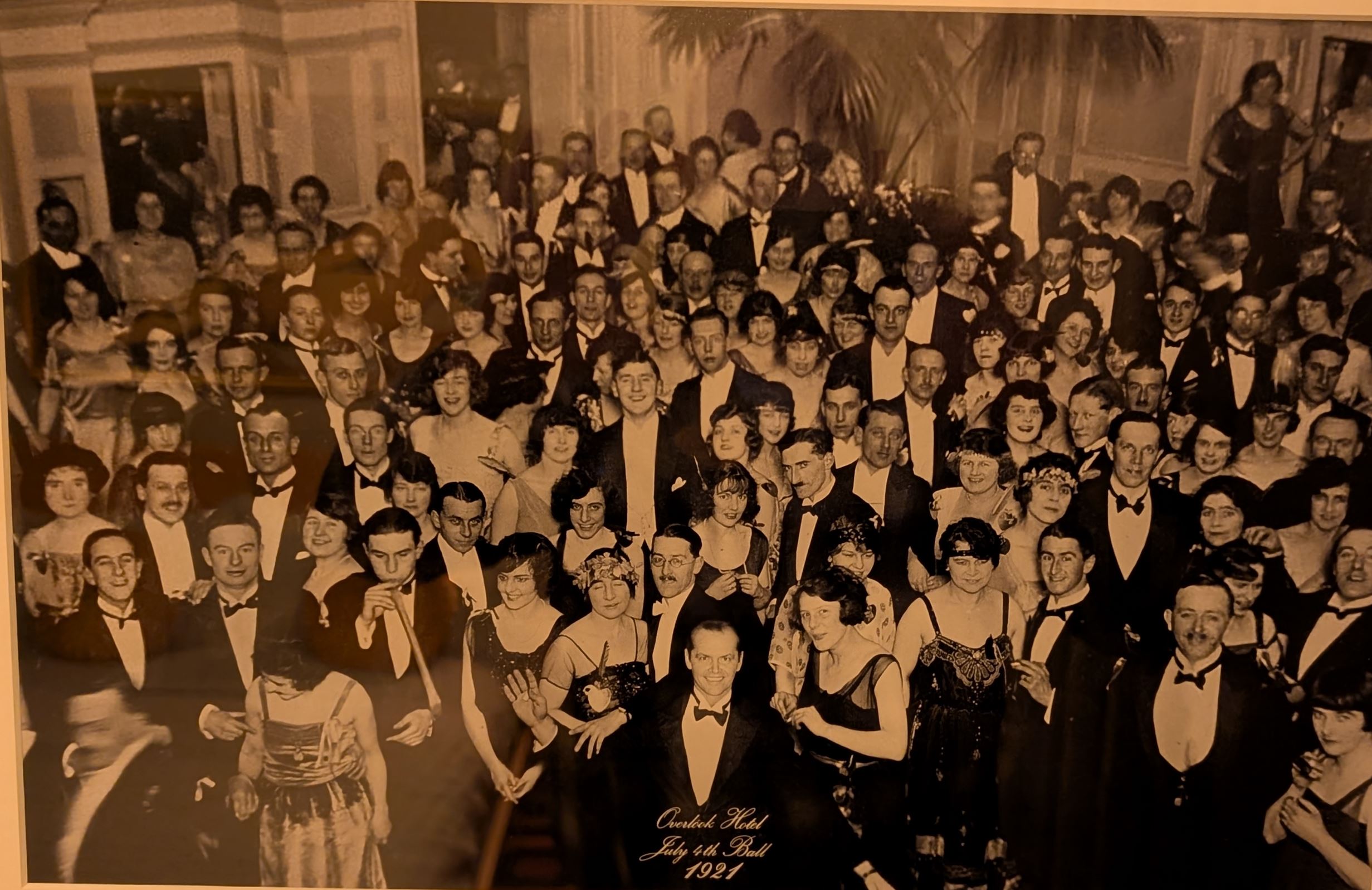
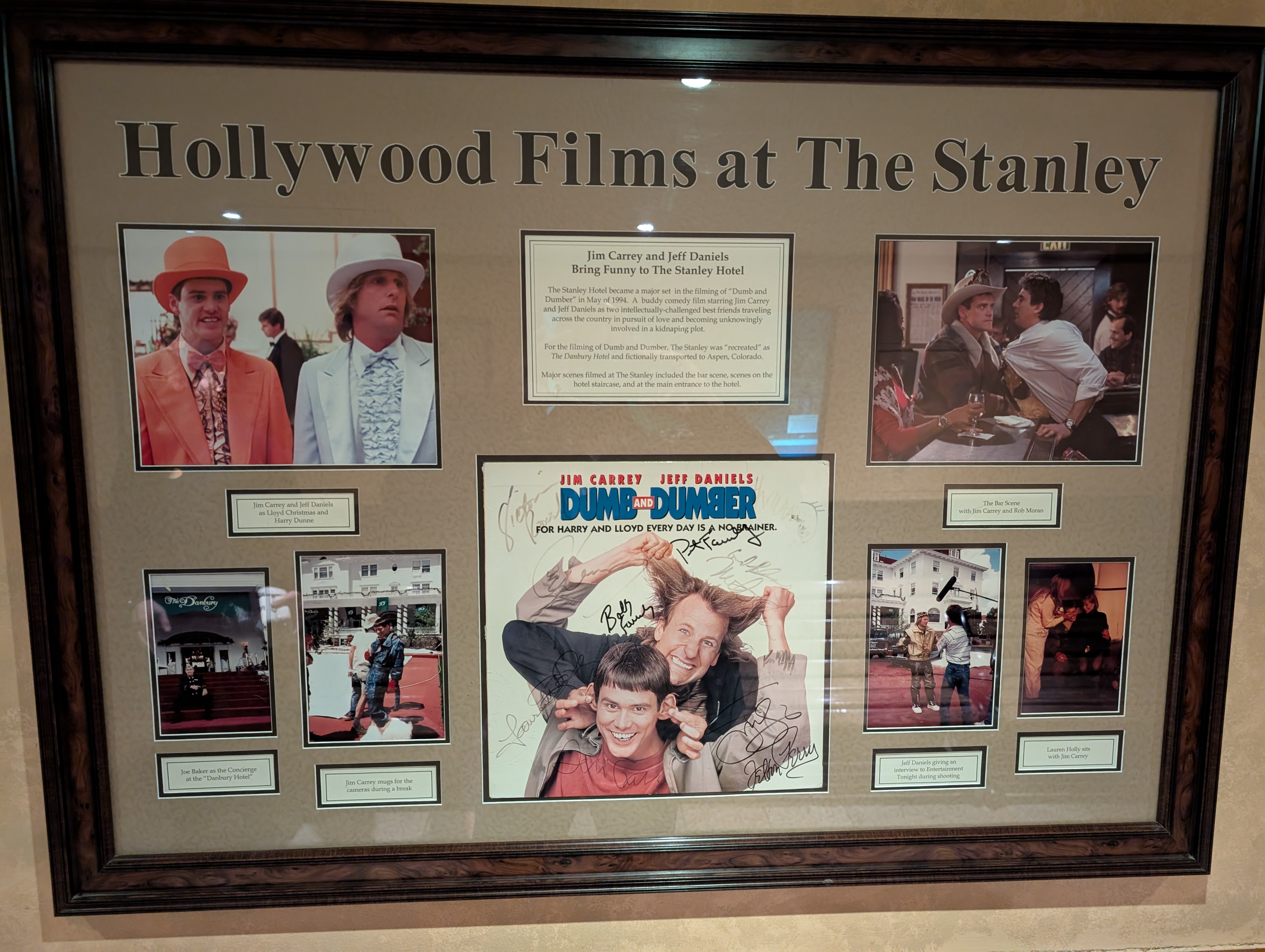
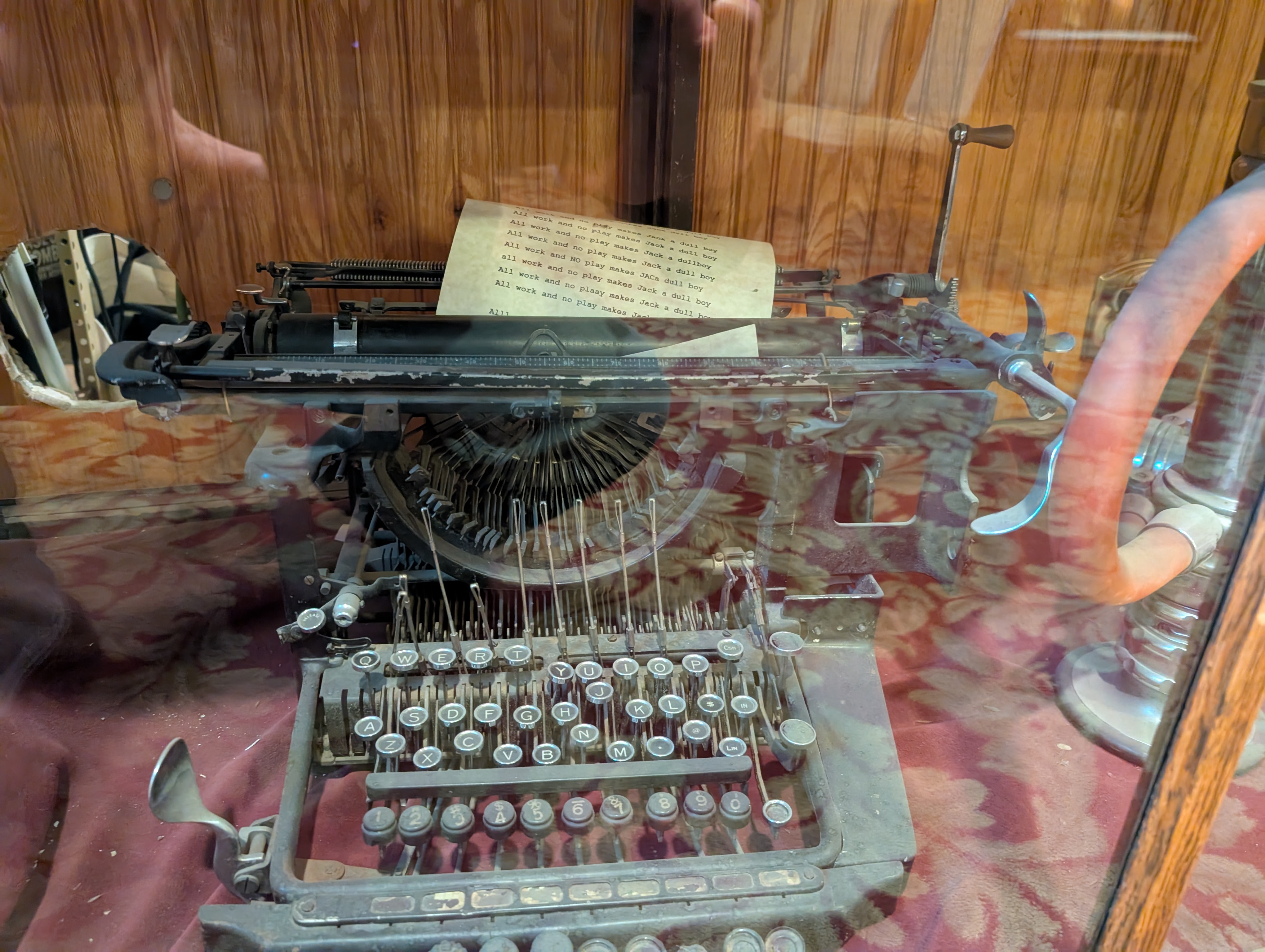
A couple years back I got to visit the Stanley hotel in Estes Park Colorado. The Stanley is where Stephen King got his idea for The Shining – A classic novel, and later movie, about a writer and his family becoming caretakers of an old hotel during the winter season.
In 1974, Stephen King and his wife, Tabitha, were living for a short time in Boulder, Colorado and were taking a driving trip up past Estes Park. They did not intend on staying in Estes Park, but the heavy snow prevented them from driving on so they decided to spend the night. The hotel was closing for the winter, but, after some negotiation, allowed them to stay as the only guests in the entire place.
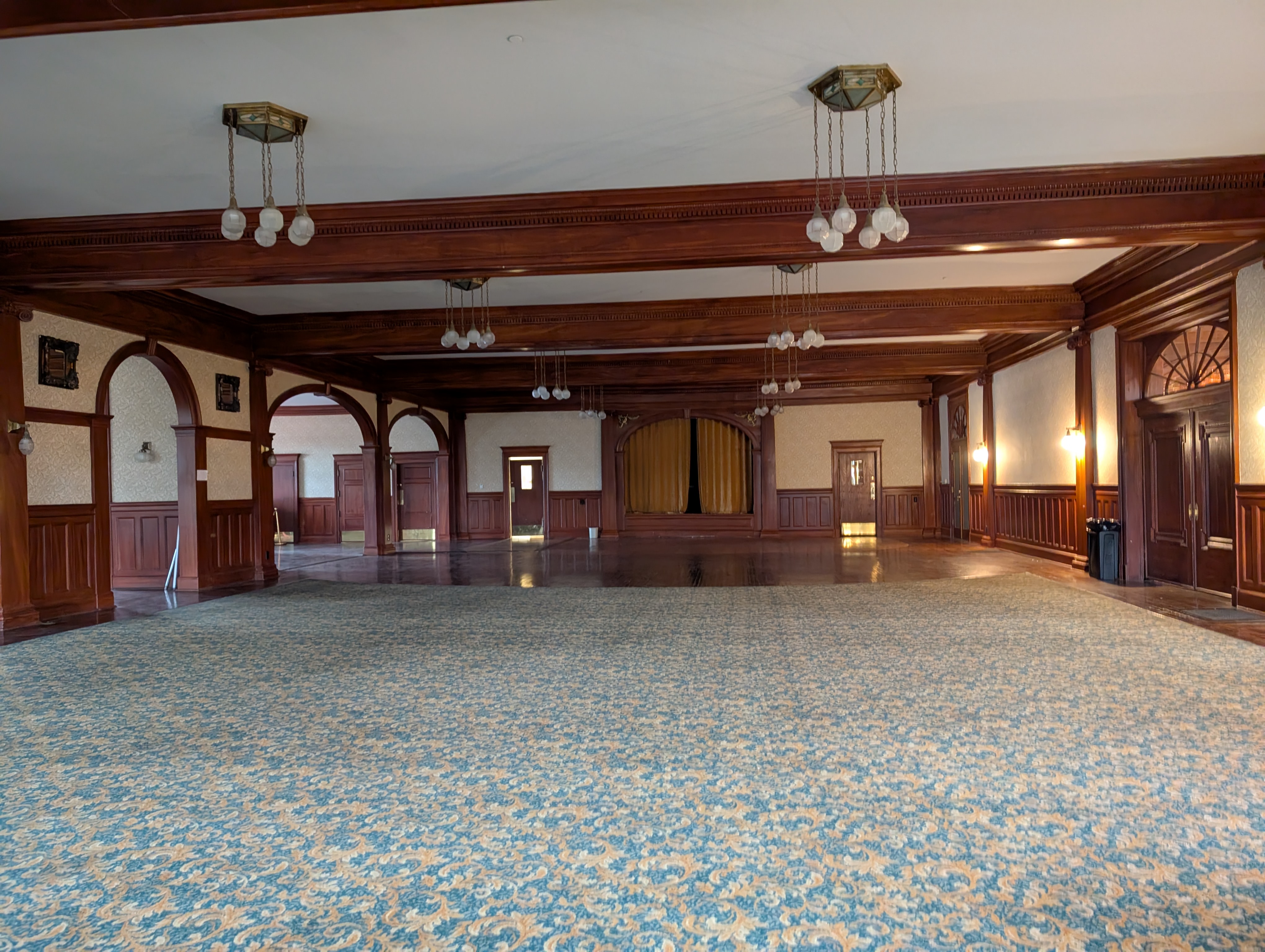
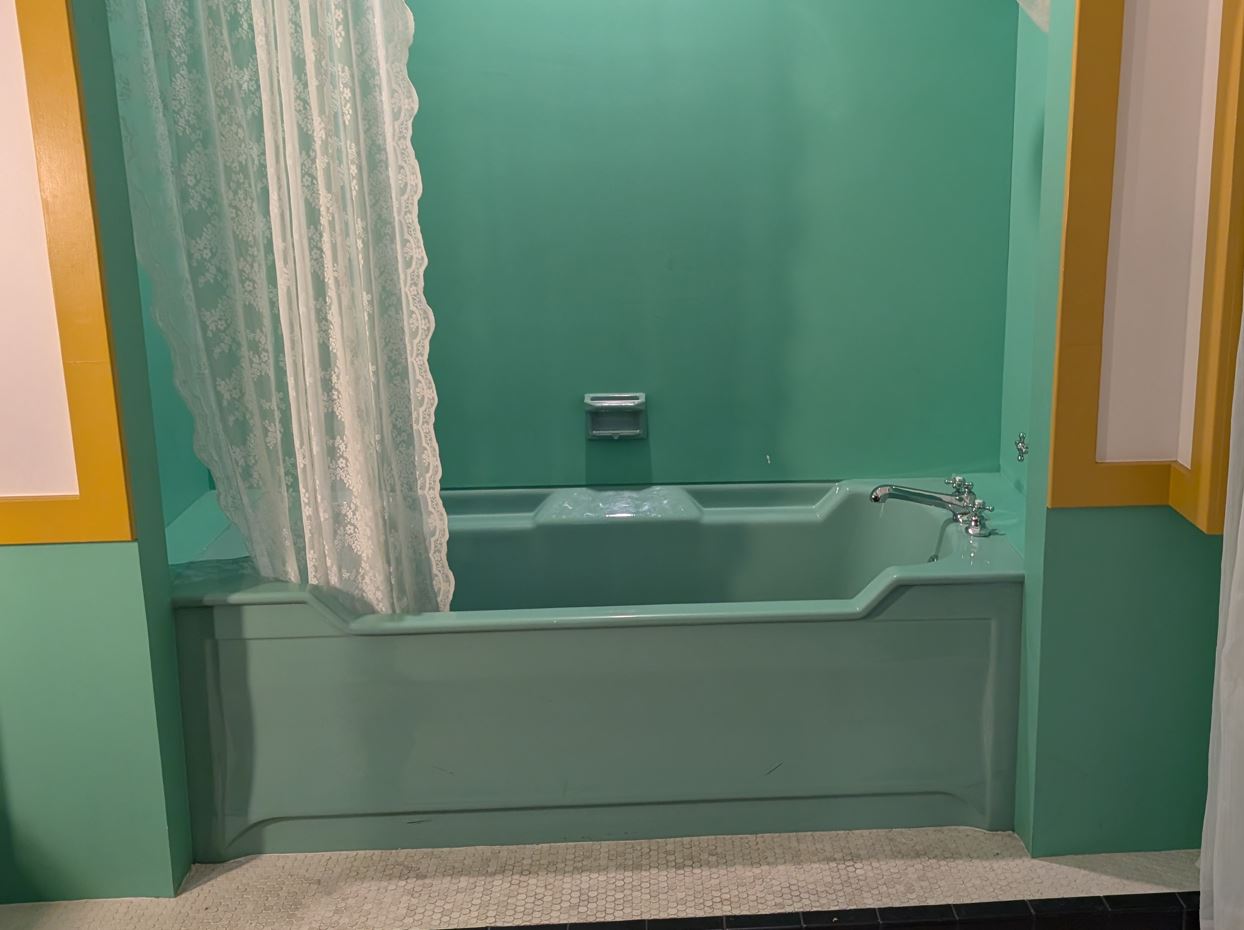
That eerie setup gave King the perfect atmosphere for a horror writer: long empty hallways, a quiet dining room with chairs stacked on tables, canned orchestral music echoing through the building, and a bartender named Grady serving drinks in the hotel bar. At one point, King wandered into the bathroom, saw the old claw-foot tub behind a pink curtain, and had the thought: What if someone died here? According to King, that was one of the moments when the idea for The Shining began to take shape.
The night also gave him a nightmare that helped seal the story. He later described dreaming about his young son running down the hotel corridors, terrified, while being chased by a fire hose. King woke up sweating, sat by the window looking out at the Rocky Mountains, smoked a cigarette, and by the time he was done, he said he had the basic structure of The Shining in his head.
It should be noted that the movie is very different than the book. King did not like what Kubric did with the story and eventually filmed his own version at the Stanley hotel. I did enjoy Kubric’s vision for the movie but, to me, the book is definitely better.
I loved hearing how the location and creepy old hotel gave King the idea for his book. We never know where story ideas will come from. It was thrilling for me to walk through the buildings and think about how that place in Estes Park triggered his imagination so many years ago.
What has been the most unexpected trigger for your story ideas?
You will write a lot of words that never, ever get read.
I often wonder how much content writers like Stephen King have that will never see the light of day. We tend to measure how prolific a writer is by what makes it to print, but how many drafts and failed attempts are sitting back there in his creepy Victorian home that will never make it to print? I can only imagine it is double or three times what he has had published, probably even a lot more.
Chances are the vast majority of your words will go unread by anyone other than yourself. Even if you do manage to get published, the number of eyeballs parsing your prose is likely far fewer than you think.
I recall hearing the majority of traditionally published books sell between 200 and 2,000 copies over their entire lifetime and self-published books often fare even worse, with many selling fewer than 100 copies total.
Those numbers might make you want to stop. Why write if no one is going to read it? Why struggle with plot, voice, pacing, or character arcs when no one will see it?
We say we write for others, but we actually write for ourselves.
It’s like working out. The final physique might be for the world. But the daily discipline of exercise is ours alone. The early mornings, the sore muscles, the days when you show up just to keep the streak alive, few see that (nor do we want them to) yet it is essential.
Writing is the same. Every word you write teaches you something. Every awkward paragraph, every overwrought metaphor, every false start are all part of the mental muscle-building.
Those words we throw out are the reps needed to get to the words we keep.
I’m not an expert on how to get there. Honestly, I’m probably a better example of what not to do. This very Blog is a great example. As of this writing, there is not a lot of daily traffic. I can blame it on the SEO algorithm, but it’s probably comes down to me not be writing what people want to read.
But still, I write. Ignoring the stats and pushing through because, while I hope people find value in what I have to say, the truth is these words are mostly for me.
If you’re a writer who feels unseen, just know that you’re not alone. Even if your words don’t find a large audience, they still matter. Words that are thrown away are essential. They are needed to get to the words we keep; the ones that end up being foundational elements for the strange and beautiful craft of turning thoughts into language and language into story.
So keep writing the words that don’t get read until you get to the ones that do.
When I think about the vast landscape of what I haven’t written yet it feels daunting. There are so many authors out there writing way more than me. I can picture them writing away at this very moment outpacing me word by word.
It takes a lot of stories and a lot of submitting for authors to gain even a small presence. Having had some success, I also know that you have to write a lot of bad stories before you finally unearth the good ones.
It’s a lot like the feeling I get when I have a big TODO list. it’d daunting, I just know I will never get through it all.
Martin Luther King Jr. once said, “You don’t have to see the whole staircase, just take the first step.”
That mindset has helped me, no only with my TODO lists, but with writing as well. There is a power to realizing that I really only need to focus on the very next story. After that, I really only need to focus on submitting it. After that, move onto the next one. We eat the cow one hamburger at a time, as the saying goes.
If you are like me and often feel buried under the weight of what you haven’t written, step back from the overwhelming wide view and narrow it down.
It’s not: look at all I have to do!
But rather
What’s next?
Let me know in the comments below what’s next for you.
If you’re a writer of fiction with limited publishing success, consider writing nonfiction.
Why would you want to do that? Because it will make you a better writer.
The elements that make good fiction are the same for nonfiction. You need to tell a story. If you think about it, most stories are nonfiction. “Did you hear about what happened to Bill and Susie?”
You also have a better chance of getting published and getting paid.
There is a continual demand for nonfiction and there is money involved, primarily due to advertising revenue. If a magazine publishes monthly, with the ads already sold, when the first of the month rolls around you can be damn sure they will be putting out a magazine. And what do they place around and among all the ads? Nonfiction writing! Original words! Your story!
If you start getting published and receive positive feedback, it will inspire you to continue your writing journey. Writing is difficult and lonely. Making a connection with readers makes it less difficult and lonely.
——————-
Hello Breaking Into The Craft readers. I’m Matthew Walter, friends since first grade with your BITC creator, James Miller. Besides our friendship, we support each other’s writing and discuss the craft.
When James told me his idea for a new direction for BITC, I said, “Go for it! When you look at the supply and demand of fiction, there has to be tons of good stories that never see the light of day.” I’m glad to see his weekly posts and read some good fiction.
I love reading fiction and writing fiction. However, I’m primarily a writer of nonfiction. I respect you writers of fiction, because writing fiction is a struggle for me. But if your goal is to get published, try writing some targeted nonfiction.
For ideas, turn to your work and interests. If you’ve spent any time in a workplace, I’m sure you’ve been struck with an idea about how to make something better. See if there is a trade magazine that would publish your ideas.
If you have a hobby, chances are there is a magazine or website looking for content. I’m an avid disc golfer and I published a humorous piece on some of the disc golf forums. I received overwhelmingly positive responses, with a few negative (You have to take the good with the bad.)
Your local newspaper would almost certainly accept good writing on pertinent topics. Look for a question no one is answering. Do your research and become a reporter. Even Stephen King started out writing for his school newspaper.
Get writing and see what you can accomplish. You may surprise yourself.
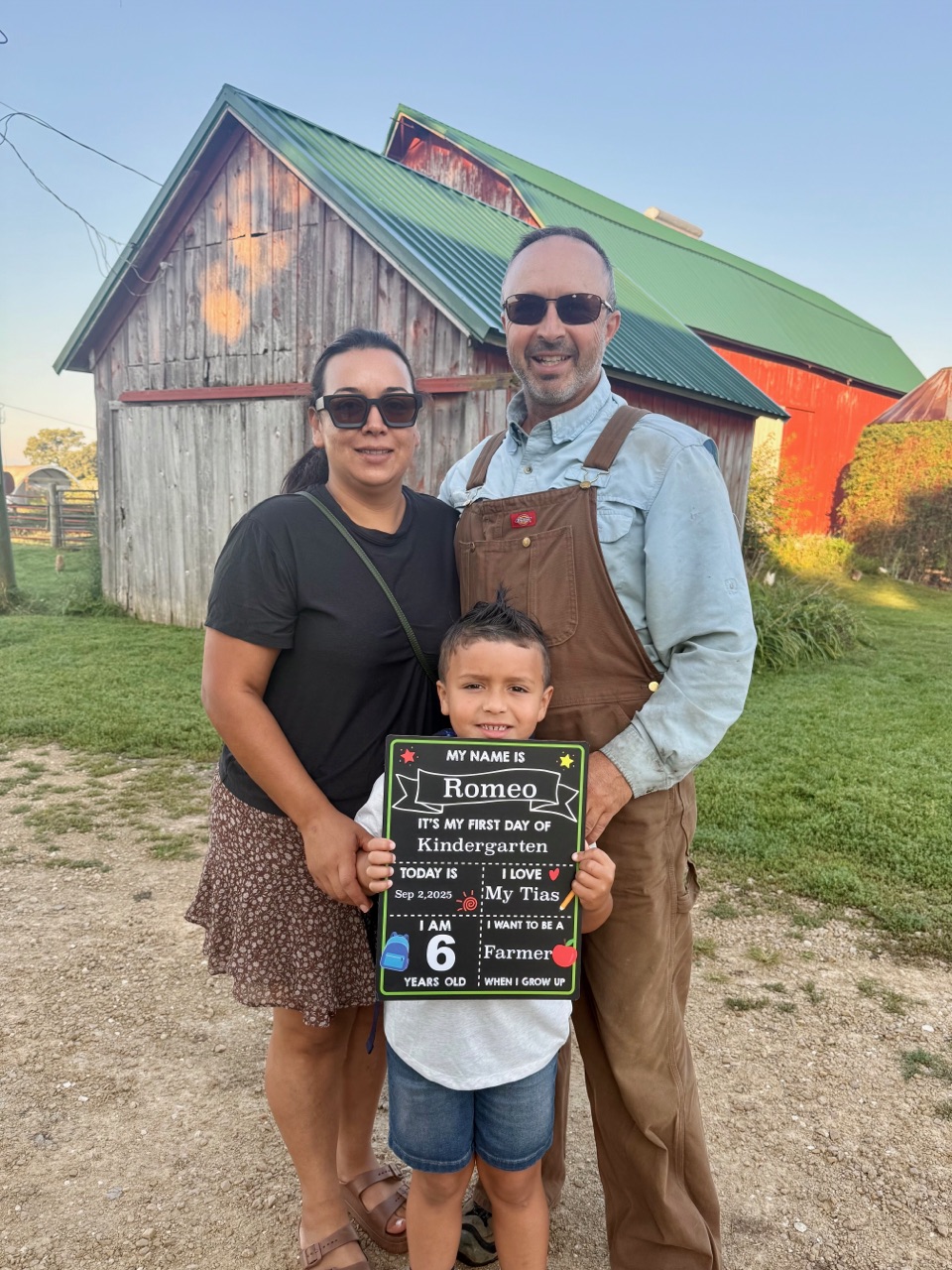
I’ve been writing and selling my nonfiction writing for the past fifteen years. I started my blog, Curiousfarmer, in 2009. I had never written much before that. I liked the challenge of crafting an interesting story, and it was a way of capturing my thoughts and questions as I farmed.
Without ever proclaiming myself an expert, my blog quietly proclaimed it for me. It wasn’t long before an editor at Successful Farmingfound me and asked if I would contribute. I said sure. I was honored, as my family has been reading that magazine forever.
I wrote and sold three articles to Successful Farming. They pay well. When an editor suggests changes, I always have the revision back to them within 24 hours. They pay enough; I’m not about to argue my work is too precious to edit.
Successful Farming is in the commodity agriculture business and I’m a regenerative farmer, so ultimately we weren’t a good fit. If I could go back in time, with the writing experience I have now, I may try to pitch different ideas to work with them. But I let it go at the time.
I kept posting to my blog. I received some positive feedback, but was mostly internally driven, which is a great character trait for a writer. I had no real writing goals, but I just kept posting, building my body of work.
I partnered with another couple to market our products in Madison, Wisconsin under the brand name Jordandal Farms. When their marriage ended, the partnership dissolved and I didn’t want to pay what they wanted for their share of our brand name.
Voila! I started over as Curiousfarmer, with an online presence dating back nearly ten years and hundreds of posts. When potential customers wanted to check us out, I could direct them to Curiousfarmer.com. This thing I had been doing for no compensation other than the joy of doing it, was now valuable to me.
A couple years later, Covid hit, and when our farmer’s market was shut down, I was forced to pivot again. I had been assembling a small email list. I sent an email to all our customers asking if they would like to meet in Madison for a contactless meat drop off. Many of them wanted to!
If you remember the early months of Covid, there was a scarcity mindset but my business boomed. I added to customers to my email list weekly.
I settled on an every other week delivery schedule. On the Saturday I wasn’t delivering, I sent an email to my customers reminding them I was coming to Madison next week and to place their order if they wanted anything. I quickly got bored with the typical email, listing what we had in stock, what was good, etc. I was basically saying, “buy my bratwurst.”
I realized that besides good meat, most of my customers wanted a connection with a farmer, so I reasoned a short story about the farm might be appreciated. It was. I received even more positive feedback about my writing and felt the challenge to come up with a new story every other week. It propelled my writing to another level.
I started to really enjoy writing and the process of discovery. Not always, but sometimes, it felt like I was uncovering hidden treasure. I got busy after our outdoor farmer’s market opened back up when Covid tailed off. I decided to save my stories for the winter months when I would return to email marketing.
I’m not sure why, but I got the notion to try to sell some articles again. I was subscribing to two regenerative ag magazines, Acres USA and Stockman Grass Farmer. I submitted an article to Acres USA and was rejected. I submitted to Stockman Grass Farmer and was accepted.
I decided to concentrate my efforts on Stockman Grass Farmer as that seemed to be a better fit for my expertise. I asked the editors what they were after and then tried to shape my articles to their specs.
Its working. In the last few years I’ve published ten articles in Stockman Grass Farmer. This year is shaping up to be my best year yet, with four articles published already and four months to go.
I worked really hard last winter in my slower farming time and submitted eleven articles. Stockman Grass Farmer works a bit differently; they don’t tell you if they accepted your article, they either publish it or they don’t. The first time I know an article is accepted is when an issue comes out and I find one of mine in there. I receive a check shortly after. They usually don’t edit my articles, but when they do, they just do it themselves, sometimes in ways I don’t like, but they’re paying, so I never complain.
This is my experience with writing and selling nonfiction. Unless I become way more prolific, I’ll continue to focus on submitting to Stockman Grass Farmer as we seem to be a good fit.
In the meantime, to challenge myself, I’m working on fiction. I feel like I have a head start finding my voice because of all the nonfiction stories I’ve written. My wife sees the checks come in, so she never rolls her eyes when I say, “I’m working on my writing.”
Nonfiction has catapulted me into writing. It may do the same for you. Give it a try.
I’m approaching 200 submissions. It sounds like a lot, but I started in 2010, so that only averages to a little over 13 submissions per year.
Note that I am only counting acceptances where I got paid for my story and not places like CAB Theater that picked up one of my comedic pieces for free and performed it on stage. I didn’t get to cash in on that one, but I did get to sit in the audience while the actors performed my words, soaking it in as they got the biggest laugh of the night out of one of my jokes. And, honestly, that was way better than getting paid.
My acceptance rate is about 5.8%. While that isn’t quite stellar, it does seem to be better than averages reported by the Submission Grinder for many of the markets I stalk.
This gives you a feel of how difficult it can be to land a piece. Just looking at the odds for every 100 stories you submit you can expect to land less than two. There are some markets, like Anotherealm, and BSF Horizons that have nice fat acceptance rates of 12.5% and 33.33% respectively. But these appear to be the exceptions to the rule.
I would also be remiss if I didn’t mention Allegory, which has an acceptance rate of a little over 2% and UFO publishing (They are closed now, no acceptance rate is listed at the Grinder). I was a first reader for several years at both of those publications.
I have also noticed a dip in acceptance over my last 50 submissions or so. If I calculate everything preceding those 50, I have a nearly 8% acceptance rate. Either I am getting worse (entirely possible, if not likely) or the market for short fiction is getting tighter. For the benefit of my own morale, I am going to choose to believe it’s the latter.
So what can we do to hedge against the ever increasing odds?
We do the only thing that has ever worked: create more content and hone our skills along the way.
And continue to have a lot of patience.
From the odds I can only expect to land fewer than 2% of the stories I submit, but improving the quality of my writing should give me an edge.
Or we can take the Han Solo approach — Never tell me the odds!
Comment below to let me know what your submission journey has been like. I’d love to hear from other writers grinding it out.
Unbeknownst to me, my wife of 13 years went through my writing files and read a bunch of my stories. She made little notes at the end of some of the pieces — the kind of notes that non-writers tend to make like: “This is good hon, you should keep going” and “I’m not sure I like this one,” and my personal favorite “Do better with this one. Maybe start over?”
As much as we love it when people read our fiction, general feedback like that has little value outside of encouragement (or, in my case, discouragement). So I thought I would talk to her to get a better understanding of what she thought of my writing overall.
The main takeaway she had for me was that my writing was very “soulless.”
Soulless.
I can’t think of anything that can gut-punch, cut to the core, donkey kick to the back of the head, a writer any harder than telling them their writing is “soulless.”
I recall I felt like crying. I don’t remember if I did but even writing about it now makes me tear up a little so, yeah, I probably did.
I have a philosophy that when you get feedback from a reader, no matter how much you disagree with what they say — every reader is right from their own point of view.
That makes sense, right? Your perspective is colored by your own personal experience, so the stories you read will be colored that way as well. It’s actually kind of a fun and useful thought: every story is unique to each reader.
But soulless… really, hon?
I had to accept what she was saying to stay true to my philosophy. I had to look at my writing through her eyes and see what she was seeing. And scariest of all, I even had to peer inward.
Eventually I came to understand what she was getting at. My stories lacked both stakes and characters the reader cares about. Those two things are related by the way.
The inward part came later, when I finally understood why I was writing that way. It came down to me not being comfortable putting my characters into really difficult situations — which is kind of silly when you think about it. That’s what conflict is: the difficulty engine that drives a story. Conflict raises the stakes and makes you care about what happens to the characters. The bigger the challenge, the better the payoff.
I did see a slight bump in my acceptance rate after I put my main characters in tighter spots, but more importantly, the stories felt more alive and real.
I learned that acceptance letters may feed my need for validation, but loving what I write feeds my soul.
A blog post from this very site has been picked up by Allegory. Ironically, Cracking the code, the first piece that I have ever gotten published, is a rant about not getting published.