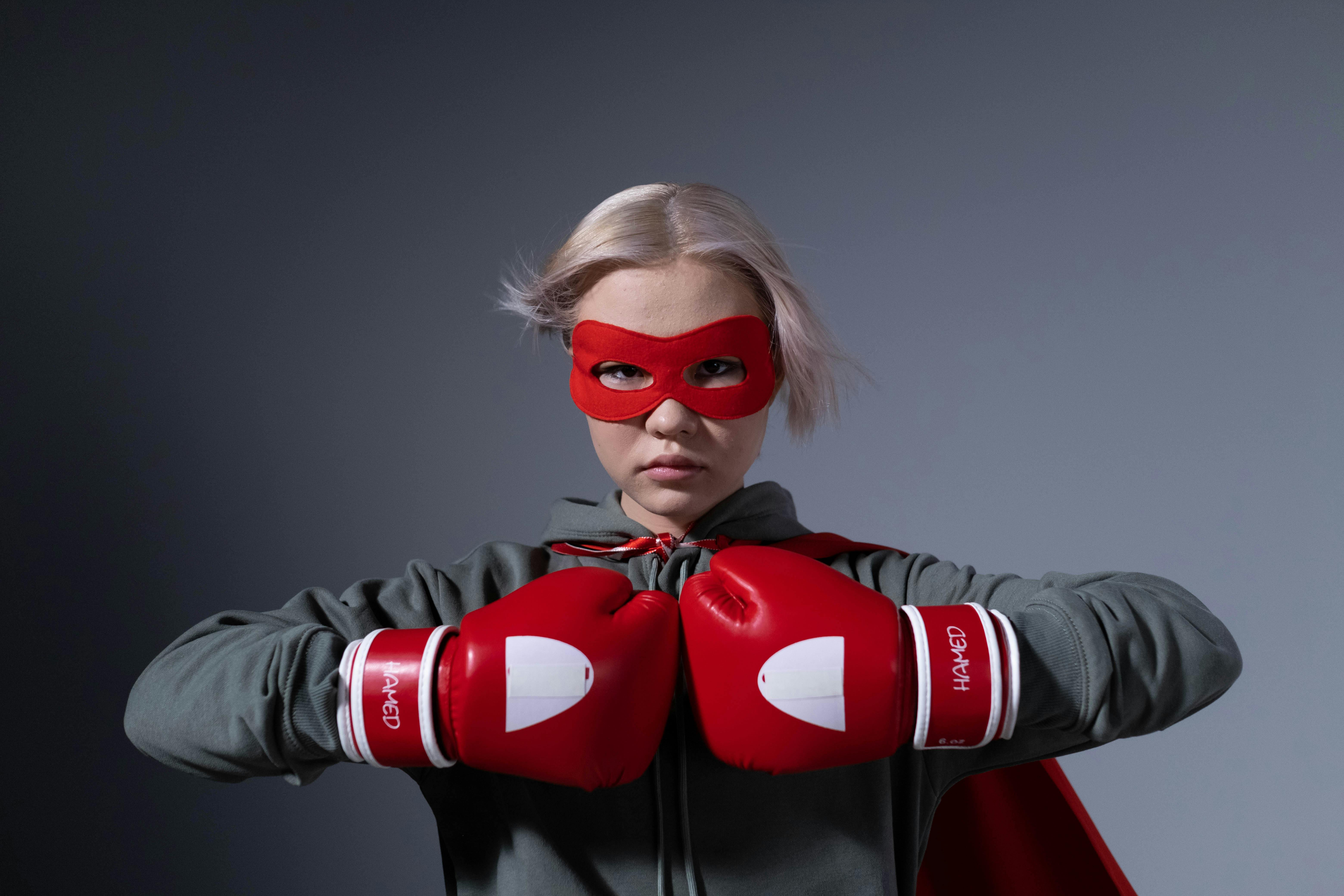
Most great stories need a hero for us to root for but what makes for a good one?
Here are some key characteristics that work for me:
Relatable
A hero does not need to be exactly like the us, but we do need to understand them.
This relatability often comes from emotional truth. What tends to make them tick? What is interesting to them and why? This interest or desire isn’t their main goal in the story but can relate to it. It’s more about how do they operate and often hints at why.
One character that comes to mind as an example could be a Heavy-Weight boxer who loves to raise pigeons. The characteristic of being a boxer is rather one-dimensional but add in the facet or raising pigeons and he now becomes more interesting and gives us a broader character to work with. There is a softer side to this brute which makes him interesting. Here is a person who can crush a man in the ring but also cares for fragile creatures. We want to know why he desires to care for the pigeons. Is it because he has a hard time relating to others? Does he see hope in the way they escape every day and fly off into the blue because he wants to escape his life? Does he find solace in how they always return home to him, something he may not have gotten from the people in his life?
Morality
A hero needs some kind of moral compass.
That does not mean they always make the right choice. In fact, seeing them not make the right choice is often better as perfect decision-making makes for a dull character. But inside them, there should be a sense of right and wrong, and it should often be tested.
The hero’s morality can help to give a story weight.
When a hero is faced with a difficult choice, we tend to feel what is stake internally for that character. Will they make the choice demanded of their moral code or cross the line?
The best heroes are compelling because temptation costs them something. Having them, crossing the morality line can also give us great material to work with in our stories.
Adversary
A good hero needs a good adversary because opposition gives the hero shape. Much in teh way we do not have black without white, or a front without a back, a hero is defined by what stands against him/her. The adversary reveals who the hero truly is.
A strong adversary challenges the hero’s beliefs, highlights our hero’s flaws, and pushes them to grow. The villain’s actions should challenge our hero’s deepest weakness.
The villain/adversary is a kind of mirror. They reflect what the hero could become if they give in to their flaw. The better the adversary, the more clear and compelling our hero becomes. A great hero rises to greatness because of what stands in their way.
Goal
Our hero needs to want something. The hero’s main goal gives the story direction and is something that we can plot the story around.
The main goal is usually external: win a competition, solve a murder, defeat the villain, return home etc. But strong stories pair the external goal with the hero’s internal need.
The hero may want to win a competition, but what they really need to do is to stop measuring their worth by each victory. They may be tasked to solve a murder, but what they really need is to forgive themselves for a past mistake. They may want to return home, but what they really need is to realize they no longer belong there and can never go home again.
External goals are used to drive the plot while internal goals drive the character arc. Having a great character arc, which is essentially just showing the character change or grow in a positive way, is one of the most powerful aspects to storytelling. It is very rewarding to the reader as we can all relate. We want to see the hero become better because we, too, desire to be better.
Flawed
Giving our hero a flaw may be the most important ingredient of all.
Flaws create friction. They create bad decisions which have consequences. A hero’s flaw typically relates to a “sin” (action that will be taken or has been taken in the past) at the heart of the story which will need to be addressed before they can attain the desired goal.
For example, Tony Stark in Iron Man begins as arrogant, selfish, and careless about the consequences of his weapons. His intelligence is not the problem. His wealth is not the problem. His flaw is his moral blindness. The story forces him to confront the damage caused by his own choices. Only when he takes responsibility does he begin to become a true hero.
I am also reminded of Robert Zemecis’s interpretation of Beowulf in which the hero king’s sin was to sleep with the tempting demon that bore Grendel, who later came to destroy the town. His flawed decision literally came back to haunt him.
A great hero needs to be relatable enough for us to understand, moral enough for us to care, and flawed enough to change.
Readers love our heroes because they struggle, fail, rise again and are morally better for the experience by the end of the story.
Let me know if the comments below characteristics you feel are important for strong heroes in our stories.
-James
 Breaking Into The Craft