Author Archives: James A. Miller

Ten Story Tropes to Avoid

Here are ten common tropes that have been used so often they’re usually better avoided. Also, I have to admit that most of these are seen more in movies, but I still consider that storytelling so, let’s just go with that and let me get away with it this one time. Thank you.

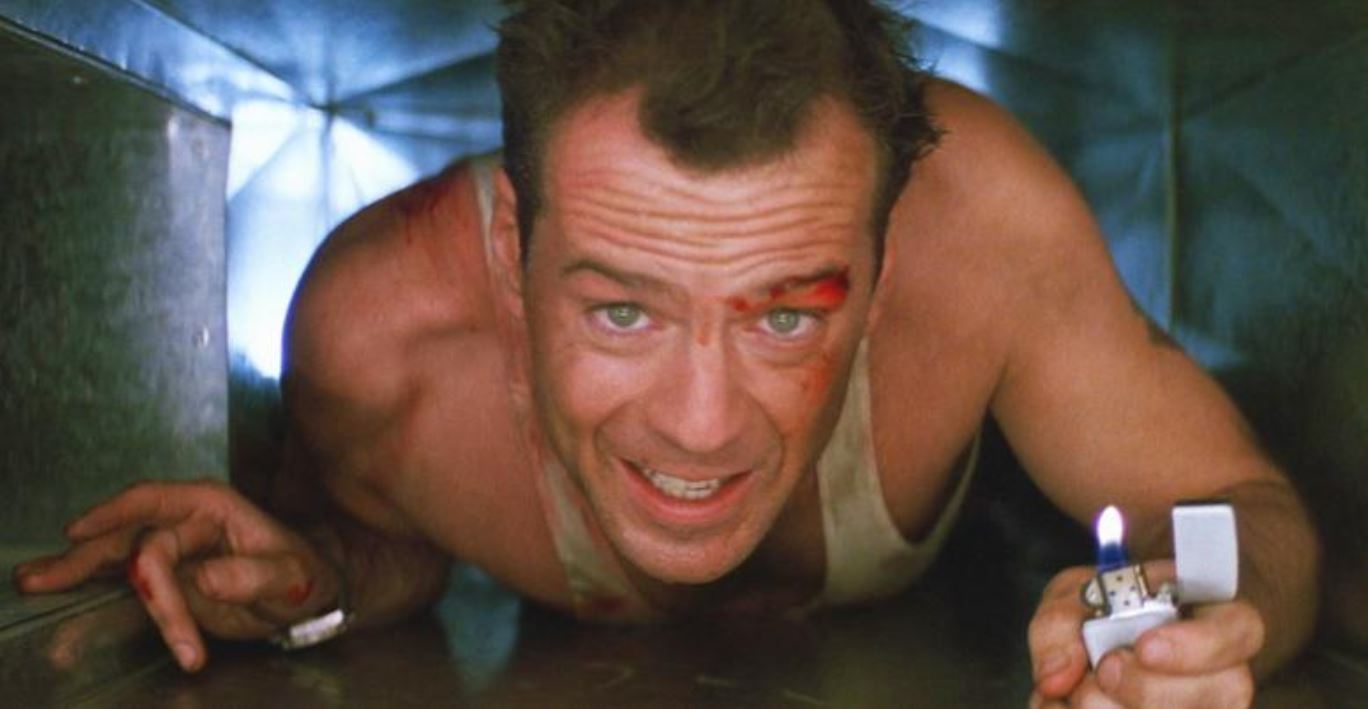
1. Crawling Through Air Vents

This one shows up constantly in action movies and thrillers. A character escapes or infiltrates a building by climbing into the ventilation system and crawling through ducts like they’re made for human travel.

In reality, most air ducts are thin sheet metal that won’t support a person’s weight. They’re also cramped, and if they are heating ducts would get pretty hot and probably cause you to pass out.

Once you think about how unrealistic this trope is, it becomes hard not to laugh when you see it.

For Fun I found a blog post that lists the top 5 air vent scenes in movies.

2. The “Knock Someone Out for a Few Minutes” Trick

This is where a character knocks the guard unconscious with a punch to the head. The victim wakes up later with nothing worse than disorientation or a milk headache.

In reality, a loss of consciousness lasting more than a few seconds is a serious brain injury. If your character regularly knocks people out this way, they’re probably leaving a trail of permanent neurological damage behind them. I would much rather see some chloroform on a rag get held in front of the guards mouth and nose, or a taser disable them for a moment.

3. The Conveniently Overheard Conversation

Your protagonist just happens to walk past a door just as the villain is revealing his entire plan.

No effort required. No investigation. Just perfect timing. (see also my post on what role luck should play in fiction)

This trope removes agency from the main character and replaces it with coincidence. Information in a story like this should come from effort, not luck.

4. The Villain Explains the Entire Plan

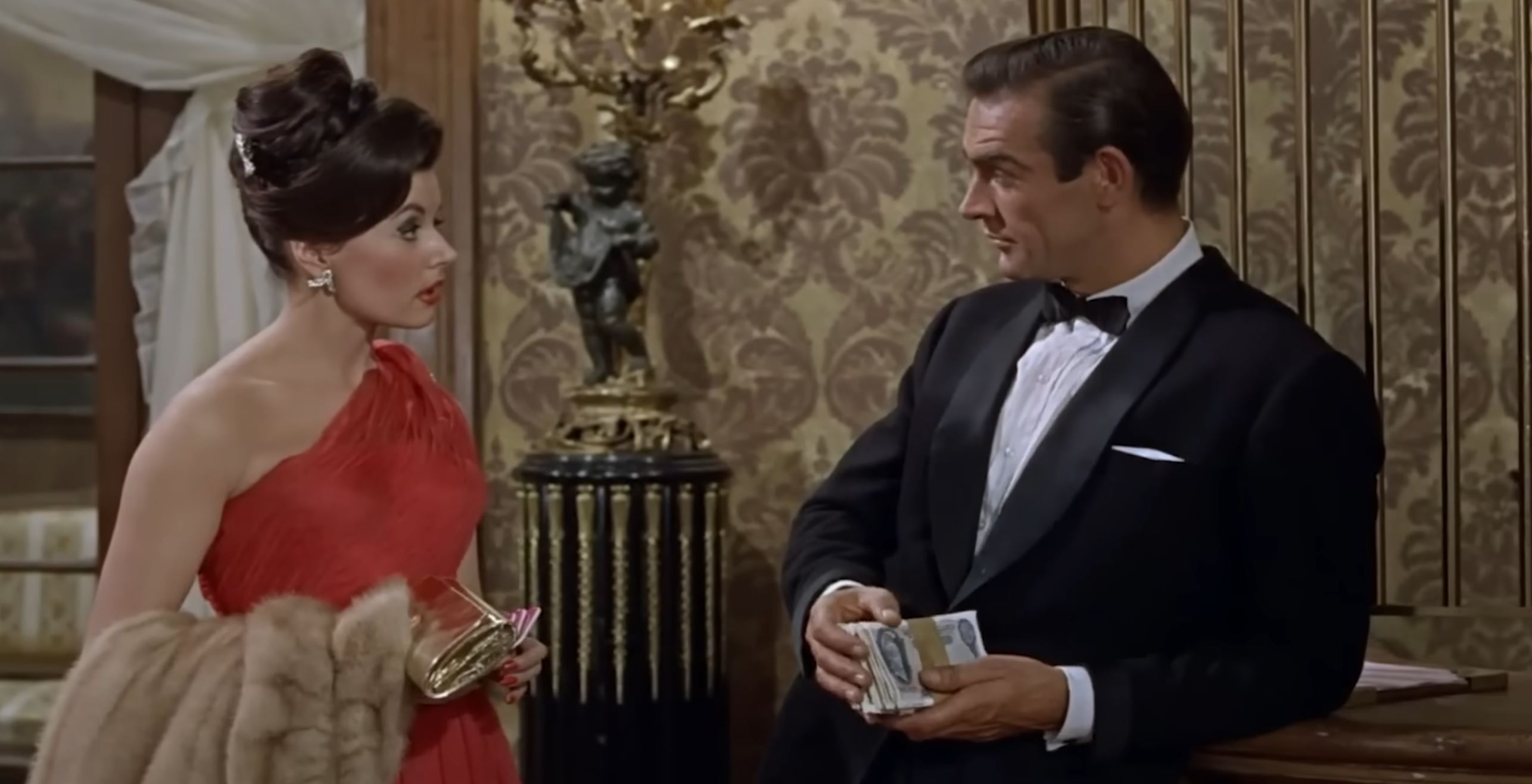
This works for me in the Bond movies because it sort of “is what it is” in those. I feel like those movies define the whole trope and I give them a pass for it. But even then it’s still clear that this kind of exposition exists purely as an information dump. If these were real villains, monologuing their evil plans would be very careless. There is really no advantage to doing that, unless you want to compromise the 4th wall and let the audience (or in our case reader) in on something.

5. The Countdown Clock

A bomb is set to explode in exactly ten minutes. We can tell this from the red LED display conveniently visible to the hero. Being a very technical person, this one has driven me crazy for years.  Bomb timers based on old-style alarm clocks where the alarm goes off and there is a physical contact closure built into the bell mechanism, yeah, that makes practical sense. Spending extra money and design time to put a digital LED read-out into something that will blow up seems like a lot of unnecessary cost and work.  It’s good to have a metaphorical ticking clock that provides pressure for the protagonist but it’s doesn’t have to be a real one and it rarely makes practical sense to have a LED display.

6. The Instantly Hacked Computer

A character types furiously for ten seconds and announces:

“I’m in.”

Complex computer systems do not collapse instantly under a few keystrokes. Real intrusion involves research, social engineering, and patience.

I also see this kind of instant solution when a character in a movie goes to hotwire a car – they put two wires together and have it running in a matter of seconds. I guess we are just supposed to ignore the fact that it would take more wires than that and the fact that the steering wheel is usually locked.

7. Guns That Never Run Out of Ammo

You see this when characters fire dozens of rounds without ever reloading. I have to admit this has gotten better in movies lately but you do still see it. The new foul is that they change magazine so often now you wonder where they were keeping all of that heavy ammo when the chase scene was happening.

In fiction, running out of bullets is often times more interesting than having an infinite supply.

8. The Totally Useless Security Guards

In many stories, guards exist only to be knocked out or distracted.

They rarely communicate with each other, never notice obvious problems, and seem completely unaware of their surroundings.

A competent security system has multiple guards, cameras, procedures and can create much more interesting obstacles for your characters than the cardboard cut-out guards we usually see.

9. The One-Line Medical Miracle

A character receives a serious injury but is fine after a quick bandage and a few minutes of rest.

Broken ribs, stab wounds, and gunshots tend to have a much longer recovery times than a few minutes. Think about the last time you were injured in anything more than an inconvenient way and how much that slowed you down. I literally had my back go out when I was turned wrong and sneezed one time and I was basically disabled for three days, bordering on tears when I went to put my socks on. I have to imagine being shot in the stomach would slow me down quite a bit more than that.

Injuries that actually affect a character’s abilities make stories much more believable and raise the stakes.

10. The “It Was All a Dream” Ending

Few endings frustrate readers faster than discovering that the entire story didn’t really happen. Now, I did just see the Wizard of Oz at the sphere (which I equate to Disneyland in the expense and “gotta see it at least once” factor) and I am giving that movie a pass at this but for every other piece of fiction, you have to realize that dream endings are a cheat. They erase consequences and invalidate the emotional investment the reader made throughout the story.

Unless the dream itself is the point of the story, this trope almost always a bad idea.

The Real Problem with Tropes

The problem comes when tropes becomes so familiar that the stop feeling like a story choice and start feeling like lazy writing.

Readers enjoy stories where events happen for believable reasons, where characters solve problems through effort and skill and where the world behaves in ways that feel authentic.

If you find yourself reaching for one of these tropes, ask a simple question:

“What Could really happen instead?”

The answer is often surprising and far more interesting than the cliché. Spend a bit more time thinking through potential endings and as David Mamet would say, “make them surprising and inevitable.”

-James
The One-Way Rule of Luck in Storytelling

Writers often let luck play a hand to move their story forward. A flat tire strands the hero in the wrong town. A missed phone call leads to a disastrous misunderstanding. A dropped key exposes a secret. Bad luck is one of the handiest storytelling tools we have as it can instantly create conflict.

But there’s an important rule experienced storytellers follow:

Luck can get your character into trouble. It should never get them out of trouble.

Why Bad Luck Works

Bad luck is a powerful tool for fiction because it creates problems.

Stories thrive on obstacles and conflict that drive rising tension. Often times back luck comes when we think everything is going to turn out fine. This creates what some call the “all is lost” moment, which is a situation that seems impossible for a character to get out of.

Bad luck makes the situation worse, which is great for storytelling.

Why good Luck is cheating

Now imagine the opposite. Your hero is cornered by the bad guys and escape seems impossible. Then suddenly:

  • An police officer randomly comes by to help.
  • The power goes out at the exact moment our hero needs it.
  • One of the bad guys suddenly turns on the main villain, shooting him dead.

Sure, these things could happen. But if you work the protagonist out of a scrape this way, readers will feel cheated because the protagonist didn’t earn the victory.

As readers, we want to see the character struggle, then work their way out of a problem. If random good fortune solves the problem for them then the story loses its emotional payoff.

The Satisfaction of an Earned Solution

Satisfying endings happen when the protagonist escapes trouble because of something they did.

A good rule of thumb is to let bad luck create problems, but make your hero solve them.

Storytelling is a promise between writer and reader. Don’t let the improper use of luck take the reader out of the story just when it is getting interesting.

-James

Simultaneous Submissions vs. Multiple Submissions: What’s the Difference?

When I first started learning how to submit fiction, I recall these terms confusing me. For a while I naively thought they were the same thing.

Understanding the difference can save you from annoying an editor or getting your story rejected before it’s even read.

Simultaneous Submissions

A simultaneous submission means sending the same story to more than one market at the same time.

Example: You send your short story The Last Robot at the Party to:

  • Magazine A
  • Magazine B
  • Magazine C

All three markets are considering the same story simultaneously.

This is common and fairly handy because response times can be long for some markets (I just checked Analog on the Submission Grinder and they are averaging 90 days for a rejection and 140 Days for an acceptance).

However, not every market allows this.

Many submission guidelines will say something like:

“Simultaneous submissions are allowed, but please notify us immediately if the story is accepted elsewhere.”

If a magazine does not allow simultaneous submissions, it means they expect you to wait for their response before sending the story anywhere else.

Some editors dislike simultaneous submissions because if they spend time reading and deciding on a story, only to find it has already been accepted somewhere else, their effort was wasted. You don’t want to be remembered as the person causing them this kind of grief.

I actually do not submit simultaneously just to make my submission record keeping easier. I tend to have a lot of stories out at one time.

Multiple Submissions

A multiple submission means sending more than one story to the same market at the same time.

Example: You submit three different stories to the same magazine:

  • The Last Robot at the Party
  • My Neighbor’s Wife’s Time Machine
  • How Not to Build a Dragon

That’s a multiple submission.

Some markets allow this. But many, if not most, restrict writers to one story under consideration at a time.

A typical guideline might read: “Wait until you receive a response before sending another.”

Editors often prefer this because it keeps their submission queue manageable. In my experience, I think it is also a tool for keeping overzealous writers at bay, particularly if they are turning out bad fiction in short order.

The lesson here is to always follow the submission guidelines.

Editors include those policies for a reason. Ignoring them signals that the writer may also ignore other instructions and be someone who is hard to work with, which is certainly not the impression you want to make.

Simultaneous = same story, different markets.

Multiple = different stories, same market.

Maintaining that distinction will help you look like a Pro to editors.

-James

Writing Short Stories:  Return on Time Invested

Stories vary in the amount an author receives for publication. One of my stories, The Right Answer, has provided a lot in return for the amount of time it took me to write it. And that return has been more than just financial.

The financial side was good, as far as 3000-word fiction goes anyway.  I initially published it in Alex Shvartsman’s UFO 3 anthology (still available on Amazon, BTW) then later as an audio “reprint” on Escape Pod and Tall Tale TV.  I received a small payday each time it went live.

This is pretty good considering I wrote the story in one sitting. I did do a bit of editing later and then had to reshape it based on the feedback the market provided but as stories go, this one had a lot less of my time into it than some of my stories that have never been published.

But the most rewarding “return” I got was being able to see the feedback from those who read it.  I recall a highlight for me when it was initially published: A woman from Australia emailed me to tell me how much she enjoyed the story. She was eating cereal while reading it and nearly shot milk out of her nose at one funny part. It’s an indescribable experience to know that I tickled the funny bone of some stranger, on the other side of the planet, so much that they felt they needed to reach out to me.

Only recently did I notice that Escape Pod has a discussion forum (and do check this out) for stories they publish. It is thrilling to see people talking about the words I have put together.  There were a few people that didn’t like the story, which an author never likes to see, but there are many more who enjoyed it very much. The story is [meant to be] a comedy and tastes can vary quite a bit, so I do expect there to be some that give it a thumbs down.

Let me know in the comments down below what your experiences have been with feedback from those who have read your work.

-James

First Serial Rights – What Authors Need to Know

First off, I am not an attorney, so this is not legal advice but rather my understanding of what “First Serial Rights” generally means with regard to writing.

If you are like me, I care a lot less about what rights I am giving up and more about just getting my stories out there. I do realize that isn’t the best attitude. It may not matter to me as much when most of my short stories fetch less than $100, but if Netflix ever stumbles onto something I’ve written and wants to serialize it a la Love, Death & Robots style, I’d be very concerned about what rights I’ve given up.

My understanding of first rights make me mentally fall back into my days as a landlord:

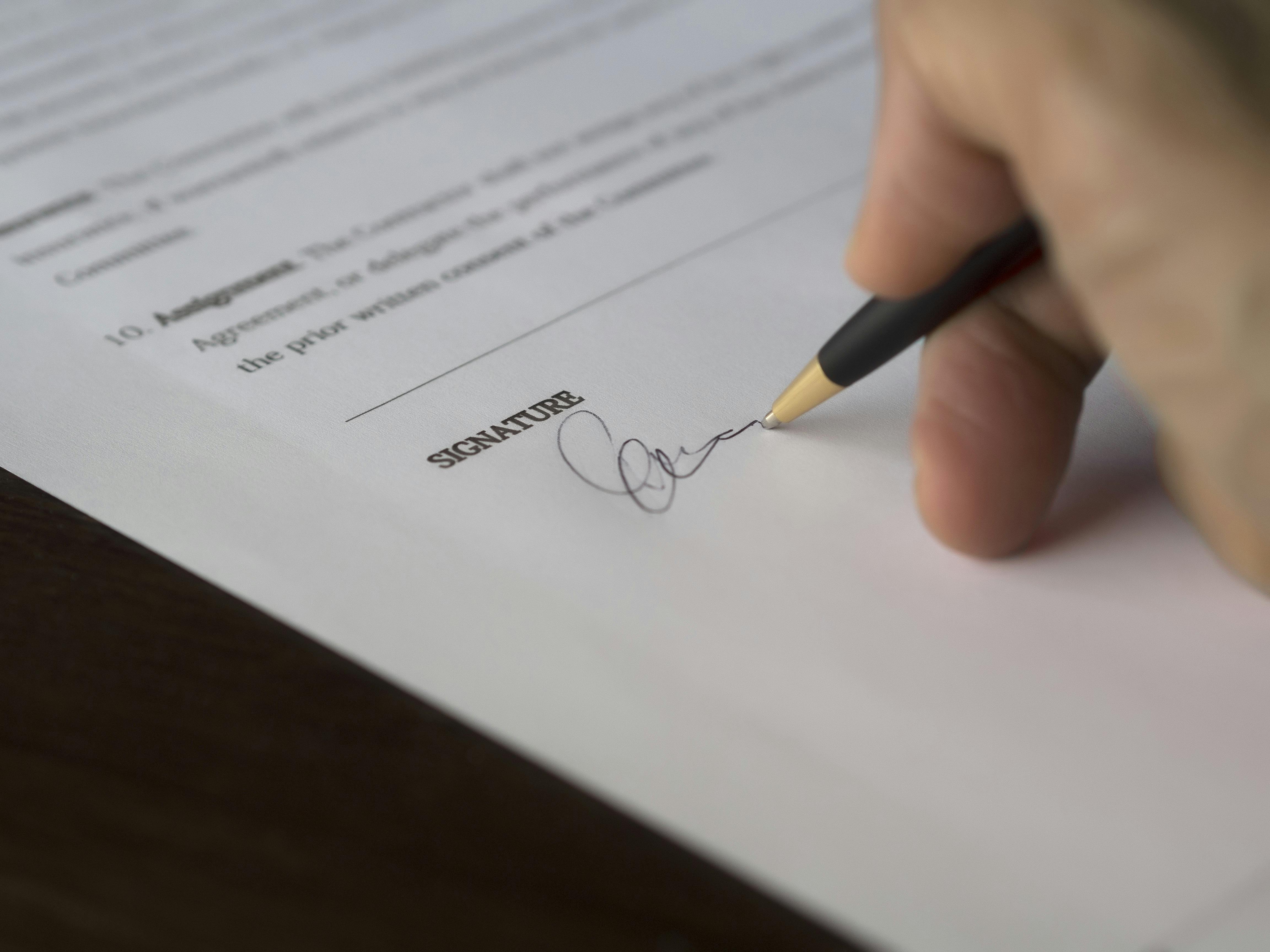
I own the property, but the lease agreement (contract) gives someone the right to use it for a given amount of time.

The “first” part is like saying “This property is newly created and you will be the first to live in it.”

For authors, once a story is published, the “first” part is used up so you can no longer sell “first rights.” When selling it again later, you need to market the story as a reprint.

Note: for a story to be considered unpublished, that usually means it has not been previously publicly available anywhere. This includes blogs and social media.

The term “serial” comes from the nature of periodicals being published repeatedly on a schedule. It may not come into play on something like an anthology, but I suppose it’s also possible you would still see that language.

Location:

If you just see “First Serial Rights,” you should probably assume that covers publication anywhere in the world, unless territorial language calls out an area specifically. This, as opposed to, something like “First North American Serial Rights ” where you could potentially sell the story to a non – North American market simultaneously.

Exclusivity period:

Watch for this term in the contract. It calls out how long the story is “locked up” before you can sell it as a reprint elsewhere.

Words to watch out for:

Look for language that could lock up the story indefinitely. Terms such as: “All Rights”, “perpetual exclusivity”, and transfer of copyright or transfer of ownership language.

First Serial Rights vs. First Publication Rights:

This can imply broader control of your work and may include publication in other forms outside of online or print, such as audio rights, translation rights, and inclusions in anthologies. This doesn’t necessarily make it something you should reject outright, but is something you need to be aware of. Personally I would be thrilled if a story I sold for online publication also made it into a print anthology, but this language could mean you might not get paid any more for it to be in the anthology.

Common Add-ons:

Depending on the publication, you might see some of the following terms and language.

Electronic rights – Now typical for online publication

Archival Rights – They are able to keep the story live on-site indefinitely. Often seen in sites that allow people to see back issues. I have this in my contract as I continue to host the stories I publish on my site.

Audio Rights – There are some online site that publish audio only or, as in the case of Tall Tale TV, audio within YouTube’s video platform. This is normal if it’s their native format, but if it’s normally an online “print” format and they are asking for audio rights, just be aware you are giving away something more.

Translation Rights – Can be common for some markets that have a worldwide presence.

Excerpt rights – This allows the publication to use small bits of your story for promotion.

First Serial Rights means you’re selling a publication the right to be the first to publish your work, but not to own it forever

As long as you are OK with the exclusivity window, and avoid any tricky language that lets a market hold onto your story indefinitely, first serial rights is typically a standard, author-friendly deal.

– James

Storytelling as a Reflection of the Times

I have been binge-watching the James Bond movies on Netflix. I am mostly going in sequence, starting with 1962’s Dr. No and having worked my way up to 1979’s Moonraker. Watching these movies in quick succession has allowed me to see how quickly culture changes. In 1962, there were still segregated bathrooms. While that isn’t apparent in the Bond movies (that I could tell, at least), what I did notice was how the attitude toward and portrayal of women changed over those films. Early Bond had no qualms about backhanding a woman across the face, then later making what could most generously be described as aggressive advances toward the same woman, who ultimately gives in to her uncontrollable passion for Bond—cut to post-coital pillow talk.

There is also a feeling of the power of feminine sexuality in those films. I suspect some would say this is an example of objectifying women, but to me it feels more like something empowering.

It is interesting to see how the female roles became more assertive and less passive over time, in my mind culminating with the angry power of Grace Jones as May Day in 1985’s A View to a Kill. Yes, James still takes May Day to bed, but as he goes to do so, she deftly flips him over so she is on top. While I may be reading into things, this felt like a nod to the changing role of women in the Bond films. No longer would they be relegated to serving as handy plot devices that provide 007 with information and titillation.

This seems to continue to hold true in 1979’s Moonraker, as the main female character is a CIA agent, every bit as capable and seen as an equal to Mr. Bond. Old habits die hard, however, and she did carry the suggestive name of “Dr. Holly Goodhead.” According to AI, this is the first mention of a leading female character with a PhD in a Bond movie.

Another interesting bit was how they showed the kill shots of pheasants being hunted in Moonraker, clearly showing the birds being shot and falling from the sky. I suspect this would not be seen in any movie today.
Brutally murder 100 guys in an action scene? Yes, please.
Show the kill shot during bird hunting? Sorry—way too offensive.

I admit to feeling a sad nostalgia for these times gone by. Those values and norms have changed and will never be seen again. I say this from a mental standpoint of trying to withhold judgment. It is easy for us to look back and decry the unfairness and ignorance with outrage, but for the people of that time, this was the world they lived in. It felt “right” to them at the time. It was the world they knew, whether we like it or not.

I do think we have changed for the better… but then again, I am looking at that from my current mental framework of social values—just like we all are. There is no way around it. I suspect people have always felt the very same way: things are so much better than they used to be.

I also find it interesting to think that the stories we write today will inevitably capture the cultural mores of our time.

Which makes me wonder: will our writing be considered antiquated and offensive later on?

Almost certainly. But when it comes to writing, much like martinis, shaken is better than stirred.

—James

The Market

Today’s story comes to us from Martin Lochman of Malta.

Martin’s story was previously [Mistakenly] rejected by 5 venues: Interzone, Not One of Us, Clarkesworld, Cryptic Frog Quarterly, and Pulp Asylum.

Bio: I am an emerging Czech science fiction author, currently living and working as a University librarian in Malta. My flash fiction and short stories appeared (or are forthcoming) in a variety of venues, including New Myths, Kzine, Theme of Absence, XB-1 (Czech SFFH magazine), and others. My debut space opera “All Quiet in the Milky Way: Ray M. Holler’s Adventures vol. 1” was published in 2023. You can find me at: https://martinlochmanauthor.wordpress.com/, Facebook: https://www.facebook.com/people/Martin-Lochman-SF-Author/61552596028127/, or Twitter: @MartinLochman.

When I asked Martin what he loves about this story, this was his response:

First and foremost, this is one of those stories that I improvised from the beginning to the end (unlike most of my work, which is usually meticulously outlined and planned out before I even write the first word). What actually inspired me to write it was a dream I had one night – my memories of it were (naturally) quite fuzzy the next morning, but I distinctly remembered stands, vendors, and a pond with a giant crocodile in it. My overactive imagination filled in the rest and The Market was born. Another thing I love about the story is the fact that, despite being self-contained, it provides only a quick peek into the world within – which means I can explore it in subsequent writings.

The Market, by Martin Lochman

The sun had barely peeked out from behind the horizon, but the market was already filled with people. Locals and tourists alike moved from vendor to vendor, examining merchandise, negotiating prices, or committing to a purchase, all the while doing their best to stay out of each other’s way. 

David stood at the edge of a stall on the outskirts of the market, frowning at a crate writhing with pitch-black insects the likes of which he had never seen. Every so often, their numerous limbs or antennae poked at the one-way force field at the top of the container, producing a semi-transparent, yellowish ripple.

They were about fifteen centimeters long and best resembled an oversized flying ant. The problem was that they possessed five pairs of legs, a twin elongated stinger, and what could be best described as half-formed claws on the upper thorax, just below the head. In a nutshell, they looked like something straight out of a B-horror movie concept art.

Titanomyrma gigantea,” the vendor answered from behind a small counter before David could ask, enunciating slowly as if talking to a child. He was a thin, lanky man with a thick mustache and almost unnaturally blue eyes.

“They are the largest species of ants to have ever existed on Earth. If you’re interested, they are ten credits a piece, but I’ll give you a ten percent discount if you buy ten or more.”

“No, they are not.”

The vendor narrowed his eyes.

“Pardon me?”

Someone bumped into David from behind, causing him to lose his balance. Instinctively, he stretched his arms out in front of him… and nearly ended up burying them in the pool of the mysterious insects. Fortunately, he managed to land his hands on the opposite edges of the crate at the last possible moment.

Presumably, the same someone mumbled a half-hearted “Sorry!”, but by the time David steadied himself, they had already disappeared in the crowd. 

Relief turned to irritation as he looked back at the vendor and saw the corners of his mouth curved up in amusement. 

“What I mean is that these are not Titanomyrma gigantea,” David said coldly.

The man’s gaze hardened.

“I think I would know what I am selling. I collected them myself.”

David folded his arms across his chest.

“The real Titanomyrma was at best half the size. Didn’t have that many legs or a dual stinger. And don’t even get me started on whatever it is growing right under their heads.”

A hint of alarm flashed in the corners of the vendor’s eyes, but his face remained thoroughly impassive. 

“You some kind of paleontologist?” he hissed, then, not waiting for David’s reaction, added, “Look, it’s not like we have discovered every single animal or plant in history. Even if we can literally visit it. Not my fault you don’t recognize this one.”

David shook his head.

“If you don’t like what you see, you can just move on. Plenty of other stands on the market,” the vendor insisted. A vein appeared in the middle of his forehead, indicating that his patience was wearing thin.

His irate demeanor didn’t escape the attention of several visitors who stopped to lurk behind David. 

“I think you mean a paleo-entomologist, but no, you’re not that lucky,” David said, staring the vendor down.

“Lucky? Who the hell do you—” the man stopped abruptly, realization overtaking his features. “Oh no. No? No!”

“Yes,” David smiled, savoring the swift change in his counterpart’s attitude. 

“This is not what it looks like,” the vendor offered weakly, raising his hands, palms toward David. 

“It’s not?”

Putting on an exaggerated expression of surprise, David gestured toward the crate: “You mean these are not some genetically engineered abominations you are selling as genuine prehistoric specimens, breaking six different federal laws in the process? Is that what you are telling me?”

There was a gasp, an expletive muttered under the breath, a triumphant aha!—but these were just the reactions from the slowly growing gathering of lurkers around the stand. The vendor himself stayed silent, steadily turning pale. 

“Keeping quiet won’t do you any good now,” David pressed on, a subtle warning underscoring his words.

For a long moment, the vendor just glared at him, evidently considering his options or questioning his life choices. Or both. 

“Okay,” he said finally, looking away. “You are right. These are not the Titanomyrma. But I swear to God I didn’t make them. And—” he beckoned David closer. 

David reluctantly leaned forward, careful to stay well clear of the crate.

“—they are not the only fakes here,” the vendor finished in a low voice. 

David frowned. The guy was obviously grasping at straws, but that didn’t necessarily mean he was lying. And if he weren’t, then, well, David might end up spending more time at the market than he had originally planned.

He took a deep breath and straightened. Turning around, he addressed the onlookers: “Move along, people. Nothing to see here.” 

The less curious dispersed almost immediately; the rest needed an additional encouragement. Begrudgingly, David withdrew the badge from his pocket and waved it around, causing two or three people — who looked so similar to one another they had to be related — to openly express their displeasure with authorities. In the end, however, it worked, and the unwanted audience dispersed.

As soon as the flow of the river of bodies past the stand resumed, David walked around it and joined the vendor in the back. 

“Well, I am all ears.”

“Na-ah,” the man said and pressed his lips together. “I want to make a deal.”

“A deal?” David repeated, incredulous.

“Yeah. I give you the supplier and point you in the direction of their clients, and, in exchange, you let me off with a warning.”

The vendor jutted his chin out in defiance, though his eyes betrayed uncertainty.

“Do you really think you are in a position to make demands?” David said sharply. “I can just go and find the fakes myself, just like I found yours.”

“You can. And I am sure you’ll have no problems spotting the easy ones. But—” the vendor smirked. “—you should know that the merchandise I got is—how do I put this—on the lower end of the price range. The high-end stuff? You won’t be able to tell the critter isn’t real unless you run a full damn DNA analysis.”

He paused, shrugging. The gesture almost looked nonchalant.

“Besides, you won’t know who’s manufacturing them in the first place.”

David gritted his teeth.

“Tell you what,” the vendor continued, capitalizing on David’s hesitation. “I’ll give you the first one for free. See that Airstream over there?” 

He waved his arm in the direction of a bullet-shaped trailer parked about fifty meters away. A long table was set up in front of the vehicle’s open door, and on it, opaque cubical containers about the size of shoe boxes were stacked one next to each other. A large, bearded man stood behind the table, gesticulating frantically at a group of bystanders.

“The guy will tell you he’s selling Deinosuchus eggs, but in reality, he just modified a common alligator to grow three times its normal size and sprinkled in some minor cosmetic details to make it look distinctly different.”

David closed his eyes for a moment and took a deep breath. He exhaled slowly through his nose and reopened his eyes to the vendor’s hopeful face. 

“How much did you make on these?” David asked slowly. “In total?”

“About four hundred credits,” the man replied, hesitantly. 

Raising an eyebrow, David tilted his head to the side.

“Maybe five?” the vendor offered, before sighing. “Fine, it’s seven-fifty. Not a fraction over seven-sixty, I promise.”

“And you haven’t downloaded any to your personal account?” 

David indicated the terminal, which was secured to the counter with a smart lock to prevent theft. 

“No, sir. It’s all there.”

David nodded, taking another deep breath.

“Okay, I’m keeping the credits you made on these, of course. And you need to give me the names of everyone you know who is selling the fake crap, plus the manufacturer, then I’ll forget you were ever here. ” 

Relief swept across the man’s face.

“But if I ever see you at one of these, I’ll remember really quickly who you are and exactly how much your illicit sales garnered.”

The vendor’s eyes flicked to the terminal. For a moment, it looked like there was a question at the tip of his tongue, but ultimately, he likely thought better of voicing it. 

“Right. Got it.”

Less than ten minutes later, the stand stood empty. David had made the vendor take his abominable merchandise with him and safely dispose of it. Even with the crate’s force field, it’d be irresponsible to leave them. The the man hadn’t been very happy about it, but ultimately had no other choice but to accede to. David watched him drag the trolley with the crates stacked on it in the direction of the nearest teletransport station, and once his tall frame disappeared from view, he leaned against the counter, letting out a small laugh. 

Seven hundred and fifty credits for what had it been — ten, fifteen minutes of work? And they said his doctorate in paleontology was as good as one in gender studies in the era of time zoos, prehistoric safaris, and public markets where you could literally buy yourself a pet trilobite. 

David patted his jacket pocket, feeling the hard contours of the appropriated terminal inside, then considered the file on his wrist computer, hastily put together and transferred by the vendor. David was sure the incriminating information on it would be of great interest to the real inspectors, so the right thing to do was to make sure they received it. He could slip them an anonymous message, nudge them in the right direction… of whoever it was who was manufacturing the fakes. 

Their clients, though? 

Those were fair game.

Opening Lines: Hook Your Reader from the Start

Opening lines are first impressions — you only get one chance to get them right.  I see a lot of stories where writers mess up this critical point in their stories. Here are a few of the mistakes I see:

The Warm-Up Paragraph

This is often a general “vibe” type statement that can sometimes be preachy.  These are paragraphs that attempt to set the tone of the story before you are actually into the story. I think these come from the writer not knowing where their story is headed when they start writing. Later on, the story’s form becomes solid but this paragraph tends to stick around when it should have been removed.  A great test to see if you have an opening that is necessary is to ask: Is anything lost if I cut this?  If not, take it out. A general rule I have is that every sentence should serve to develop character or advance the plot.

Starting with Over-Description of Setting

A little of this is good to orient the reader but long passes explaining every little detail of a room or worse yet, the weather, can work against you. If the story is about a weatherman, then yes, that might be necessary but typically starting with the weather does little to add value to the story or pique the reader’s interest.  While the reader is parsing these descriptions, they are asking themselves “Yeah, okay, so what?” in other words: why is this important? Why should I care?  You don’t get much time to answer that before they decide to stop reading.

The Info-Dump

This is where writers try to get out all of the logistical and technical information before getting the reader hooked on the story. Oftentimes this happens because the world is complex and operates differently from ours (frequently the case in Sci-fi stories) so there are a lot of details as to how things work. Just like too much detail on setting, this burdens the reader before getting them hooked.  The way to think of this is that while they may need to know this information, do they necessarily need to know it right away?   Take for example James Bond movies; there is usually a scene where Q explains how all the technical gadgetry works, which is important as you will see Bond use these things later on. We can’t skip the explanation or that would feel like a cheat if you suddenly see advanced technology come out of nowhere and get 007 out of a scrape. But this info-dump often happens in the middle of the movie after we’re already invested. What do we usually see in the beginning of a bond move to hook us? Some action scene where 007 suavely and narrowly escapes. It’s often only tangentially related to the main plot line, but it does a great job establishing the character and setting the hook.

 Structure your stories the same way, offer just enough to hook the reader early on, and sprinkle in the technical exposition along the way. Just make sure these moments feel as organic and natural to the story as possible. The reader can sense when they are being force fed information.

How to do it right:

The goal of the opening lines should be to hook the reader — typically by establishing stakes and introducing the core conflict. We need to know why we should care about what is going on.  Make them want to know what happens next. Action is great way to open stories. By its nature, action implies a character is involved with conflict, either moving toward something they want or away from something they fear. It gets us to stakes and conflict right away.

Start by showing what the protagonist wants and let us know what’s at stake if they don’t get it.  If you can also show why the protagonist can’t have what they want, or what insurmountable barriers stand in their way, it’s even better.

-James

The Mass Market and the Madness of Crowds

Today’s story comes to us from Glen Engel-Cox. Glen thinks more about authors and writing than anyone outside of the offices of The Paris Review, who has never published him. He emails a daily newsletter about literature as part of his Patreon account: join for free at patreon.com/gengelcox. His novel, Darwin’s Daughter, and a non-fiction compilation, First Impressions, can be found at A Major Annoying zero-paying online site, while his short fiction is available for free in The Daily Tomorrow, Phano,, LatineLit, Utopia, and elsewhere. 

Glen’s story has been [Mistakenly] rejected by Clarkesworld, Asimov’s, Apex, Solarpunk, Utopia, and a few others.

When I asked Glen what he loves about this story, this was his answer:

What I love about this story is how it’s a kind of a throwback to the 50s SF of writers like Fredric Brown, where the aliens are cute and the stories are a bit cozy. So much SF now (well, and maybe always has been) is dystopian, dark views of horrible futures and I wanted to see if I could bring a little joy to the world.

The Mass Market and the Madness of Crowds, by Glen Engel-Cox

After being jostled for the third time by the crowd in the vendor’s booth, Jean lost her temper and swore, causing the entire room to chuckle at her loss of decorum. Even though she towered over most of the crowd by a meter–too much time spent in zero-G–most of the crowd pushing her weighed at least twenty kilos more than she did and some of them a lot more.

As an asteroid field miner, she had grown accustomed to isolation and the fact not many human women chose the profession, but it still galled her when she had to deal with the crowds that inhabited most spaceports. On board her ship, as small as it might be, everything had its place. She had difficulty dealing with movement that didn’t follow predictable paths, which meant anything with intelligence, or what passed for the same by her fellow miners. She couldn’t avoid the spaceports, either, because that’s where ore was sold and where she had to refuel. She needed some dense mass to power her entropic drive, and the cheapest way to buy some was in the open market. In too many ways, being a miner and having to buy mass was ironic. The ore in her hold, however, was unrefined, and she knew from the mass spectroscopy that it only had trace amounts of heavy metals. 

This particular market was called the Masshole, situated in the center of an orbital Altarean habitrail. It dealt in things other than mass, but, really, when it came down to it, everything was mass, wasn’t it?

“Wait your turn,” said the vendor. That’s not why Jean had sworn, but it wouldn’t do any good to complain. She turned on her heels and left the booth, likely to more laughter. The market had plenty of vendors and she was damned if she was going to spend any more time in this one.

Jean really shouldn’t have gotten annoyed but she hadn’t had much luck in finding what she needed, not at a price she could afford. Realizing she needed to calm down, she sought out a lunch place with food she could eat. Given all the different alien communities on this habitrail, she found that almost as difficult but eventually she found a noodle shop off one of the main passages. The inside was crowded as well, but, unlike the last vendor, this line moved fast. She sat down at a table outside and proceeded to slurp up her meal.

Across the way, she watched an altercation break out between a very short, stocky alien who looked like an asteroid with spiderlimbs and a real bruiser of a human, one of those brawny miners who swaggered down the hallways without giving any room to others. Jean couldn’t tell if the human had stepped on a limb or pushed the alien out of the way, but given the way it gestured, she felt a fight was imminent. She glanced around, but those around her seemed to be ignoring the rapidly increasing tension. She swore under her breath, but got up and walked over and put herself between the two of them and yelled, using her height to get them to focus away from each other and up to where she glared at them.

“Stay out of this,” said the human. “This pebble needs to learn a lesson.”

“Crack you,” said the alien.

“Both of you should turn around and go your separate ways. We don’t need a interspecies war starting here.”

“Who made you the judge?”

“You did, right now. Now go.”

He glared at her, but he had shifted his focus away from the alien, which is what had to happen to get him to settle down. She held his eyes, then flicked her hand away. He grunted and turned, knocking into her with his shoulder as he moved down the hall, hands on his hips as he took even more space as he left, others in the hall giving way.

When he was outside of hearing range, she knelt down on one knee and asked the alien, “Are you hurt?”

“Hurt? What hurt?”

“Damaged? Injured?” She looked at him, trying to find what it used as sensory organs but only seeing crags and crevices.

It waved one limb, a thin, black multi-segmented chitinous thing. “Crush this.” She could see some segments that seemed flattened somewhat.

“Do you need medical assistance?”

It flexed the appendage. “Fix self.”

Well, that was good. The human must have stepped on it accidentally, not unsurprising in these crowded halls if you didn’t pay attention to those around you.

“Alright, then. You be careful. You have to watch after yourself around here, you know.”

Jean went back to my noodles, finding in her absence the proprietor had come out and topped the dish off so they were still hot. They nodded to her as she sat down. “That was a nice thing you did there.”

She shrugged, looking back over at the alien, who had now been joined by another of its kind and they waved their spindly arms about in agitation.

“So who are they?” Jean asked.

“Miturarnians. Came aboard about sixty, seventy cycles ago. Great maintenance workers. Not only are those appendages of theirs extremely flexible, they don’t seem to breath air so can go out into vacuum without bulky suits.” Given there had to be over a thousand-odd space-faring species inhabiting the nine galaxies, it was impossible to know them all in detail, and more seemed to pop up everyday. “Most all ETV work has been given over to them and it’s been a good deal, as far as I understand. Other hab authorities are desperate to get them to move and take work with them, but there’s only so many of them, it seems. Anyway, I better get back to cooking.”

Jean watched the two aliens while she finished her lunch. They had stopped gesticulating and now seemed to be frozen in place forcing the hallway traffic to divert around them.

#

She went back to seeking a mass dealer whose idea of profit was something less than a two-hundred percent markup. But they seemed to sense her desperation, even reveled in it, increasing their prices from stall to stall. She suspected they had a private network where they communicated, her mug shot stamped online with big letters RUBE.

After hours of this, she stopped at an outside bar and took inventory. She had a commitment for   some platinum, but it would hardly be enough to power her beyond one trip and if something went wrong…well, she didn’t like to work with those margins.

She felt something tug on her trousers. She looked down and saw a mituarian retract a pincer.

“You mine?” it asked. She couldn’t tell where it made the sound from, but it had a grating quality to it like ore being ground.

“Yeah.”

“Have need. Take job?”

Jean looked around the bar, but no one was paying attention to them. She said, “I work for myself. Freelance, you know. Hit the asteroid belt, hope to hit a jackpot someday. I don’t work for anyone else.”

“Pay good. What want?”

Jean chuckled. “What I need is some really dense mass for my entropic drive so I can go further into the fields without constantly coming back here to refuel.”

“Have mass! Much mass!” It tapped itself with its appendage.

Jean shook her head. The little being didn’t understand. “Not mass like you or me, but dense stuff.”

“Big mass. I have.” It motioned for her to follow it. She told it to wait while she finished her drink. No need to waste decent alcohol in case this was some wild asteroid chase.

Following the mituarian, she watched as it moved down the hallway, its appendages basically rolling it along the hall. No wonder one of them had been stepped on earlier. The alien shifted to the right or left constantly rather than moving straight. It led her into the heart of the Hab, the center point where the centrifugal force didn’t act on you to provide gravity. She activated her mag boots, finding her own movements awkward while the alien’s locomotion now had a fluidity indicating how accustomed they were to weightlessness. Finally, it motioned for her to enter what she took to be its berth.

“Big mass?” Jean asked.

“Most big. And dense.”

Jean stepped inside. Inside the small room not much larger than the interior of her mining ship, the mituarnian made a ceremony of retrieving and unveiling a casket lined in exquisite fur with half-a-dozen orbs nestled inside, each the size of Jean’s hand and made of pure black. Jean’s eyes went wide. She couldn’t believe what she was seeing. Now she understood why it brought her here. The weight of those would tunnel a hole in the floor or walls in the market area with its normal gravity.

“Told you. Dense. Big mass.”

“SubQ?” Jean asked, hardly daring to speak the name. Hab maintenance work must pay well if this alien could afford to own SubQ.

“You know. I got. What worth?”

A fortune. One of those orbs would power her ship for a lifetime and beyond. Jean shook her head. “More than I got.”

“You need?”

“Badly.”

“You mine?”

“Yes, I’m a miner.” She thought they had established that already.

“I need. We go. I show. You mine. SubQ yours.”

Jean squinted at the mituarnian. She normally worked solo. Having someone on her ship made her nervous, especially a client telling her what to do. But for an orb of SubQ? She didn’t hesitate. “Deal.”

#

The coordinates it gave her took them to a double-star on the edge of the Altar system. Following the jump, which the mituarnian efficiently paid by providing her with a pebble of platinum, it directed her toward a planetoid, unusual for its multiple rings rather than a singular one on the elliptical.

The mituarnian then activated a homing beacon, directing her to a specific spot in one of the inner rings. “Here.” The one it chose did look different than the others, an oblong rock about half the size of her ship with spider veins visible on the surface. “Take care. It fast.”

Fast in space was a relative term, but Jean thought she understood its warning.

She matched the orbital speed of the asteroids circling the planet, each ring moving at a different velocity, so she had to deftly maneuver in and around the deadly rocks until finally getting to the specific one the mituarnian wanted mined.

“What are we mining for?”

“You see. It fast. You hit. It break. Then fast. Suck up. NO GRIND.” The last it said with great emphasis.

“Ok, ok.” She showed it the grind mechanism control. “With this off, it will just collect and won’t grind the ore.”

“Not ore,” it said. “Mass.”

Whatever, Jean thought. “Any particular spot to hit?” During the jump, the mituarnian had told her not to use her drill, but to use the particle hammer.

“Here. Or there. Your pick. But hard. Hard hard.”

She activated the gravity collector, directing the hammer to use maximum force while firing the ship’s plasma engines to counter the reaction from the force used. As soon as the impact occurred, the asteroid cracked, each spider vein suddenly red and then nonexistent, the rock splitting and resplitting into thousands of tinier asteroids, which were then sucked up into the hopper by the collector. She had seen nothing like it.

The mituarnian watched with delight. “All! All!” it exclaimed, the collector gathering up every bit of the asteroid in seconds.

“We see. Come come.” It led her to the hold, now sealed against space after the collector had finished. “Open open! We see!”

Jean popped open the hatch and looked inside. She had expected a collection of rocks. Instead, the hopper was filled with tiny miniature mituarnians screaching and clambering over each other. An asteroid hatchery. Newborns.

“Much mass! It good. SubQ yours.”

She felt light-headed watching the baby aliens. So many of them she couldn’t see the floor or the sides of the hopper. It was madness, but Jean didn’t care. If being midwife to mituarians enabled her to seal her future, she would learn to like some crowds.

Write on Coffee, Edit on Wine

I heard this phrase from David Baldacci in his Masterclass. While this may sound like he’s promoting substance use in order to produce a story, I think what he’s actually referring to is the different mindsets needed for each phase of writing.

The Coffee Phase

Coffee refers to the idea that the first draft should be a relatively fast process.

When getting the first draft down, many writers claim you want to focus on getting the idea out and captured and not worry about making it perfect. “Get it down on paper,” was the phrase we used before everyone started doing their writing on computers. Don’t concern yourself with exact wording, sentence structure, or where all those danged commas need to go. Just get that story out of you.

The Wine Phase

Wine refers to the idea that editing should be a slow process.

After the first draft is born, it makes sense to do a few passes to clean up obvious issues but the key is to set that draft aside for at least two weeks before trying to edit it.

When you do sit down to work on your story again, you need to be in a place where you have a different perspective. This time, your efforts need to be slow, deliberate, and discerning. This time, you do need to focus on where the commas go.

I think this is one of those things where there are as many approaches to writing as there are writers. Let me know your process in the comments below.

-James