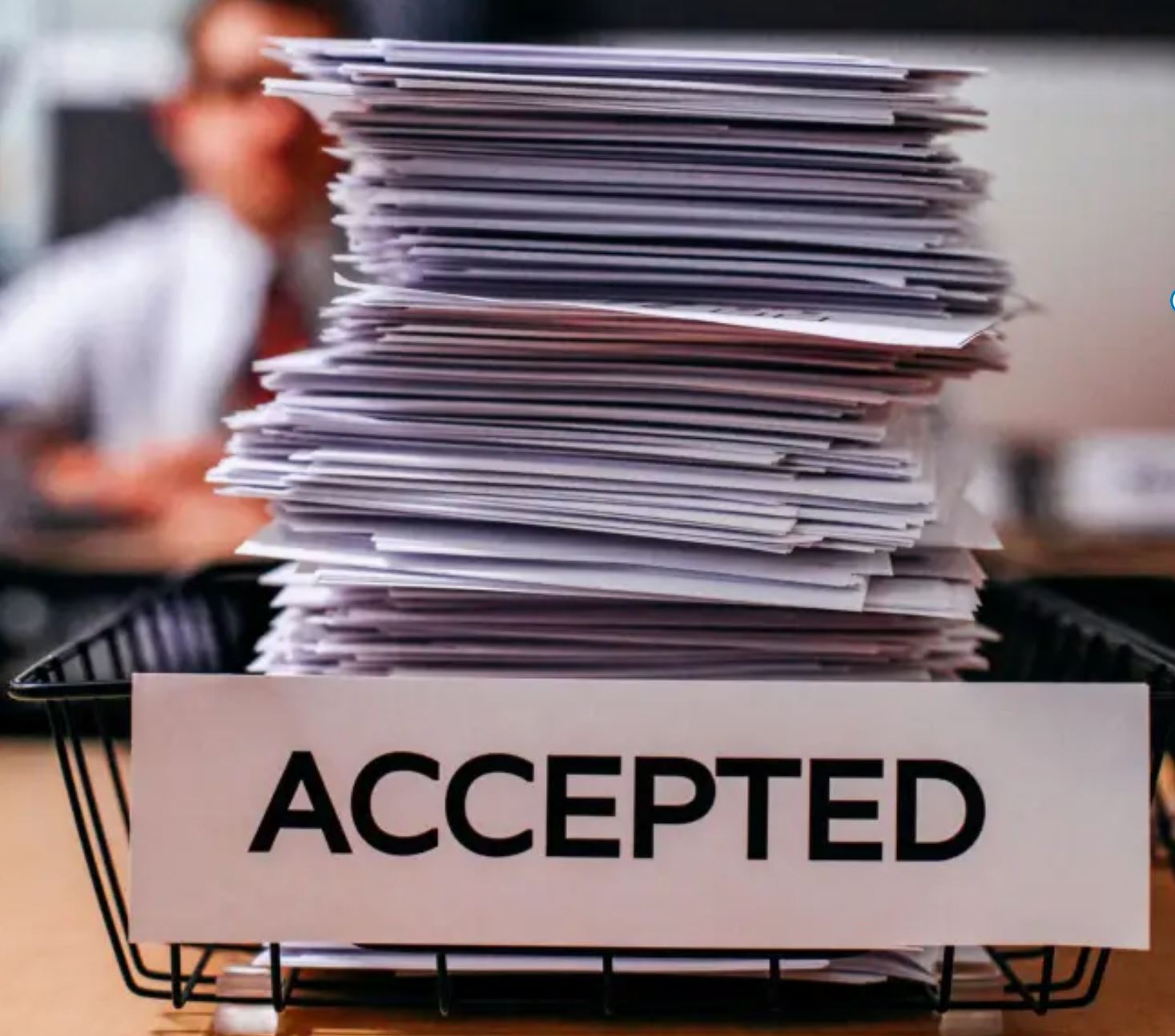
I remember the first time I received my assigned slush (story submissions) from the editor of Allegory. Twelve unread submissions, each hoping to land in the publication. It was exciting, daunting, and very eye-opening for me. Once into a routine of reading stories for a publication, you can really get a feel for which kinds of stories editors see too often and what makes one story stand out from the pile.
Here are some of the common problems I came across when reading slush:
Telling instead of showing
There is a ton of information on this out there already, but in essence, telling is useful for moving through information quickly, but at the potential cost of distancing the reader. Showing brings us into the story and paints a picture in detail.
The blurb I used when providing feedback went like this: Telling has its place. It works well for quickly covering a lot of ground, but it tends to distance the reader. We would much rather see the bouncing knee and infer the character is anxious as opposed to reading “Bob was anxious.”
A lack of conflict
Sometimes everything was fine for the character, too fine, actually. With no conflict, there’s no story. I think this can happen to a writer sometimes when they really like their character and don’t have the heart to put them through any hardship. But that hardship is needed to drive the story forward.
Scenes vs stories
This is where there is an often extensive description of the character and his/her world but nothing that resembles a story arc. The character is just hanging out at a bus stop, eating a sandwich, and waiting, and in the end, nothing has really changed (other than the sandwich is gone). Sometimes these scenes can even be beautifully written, but without a story arc, these pieces are not interesting enough to pass on to the main editor.
This one often occurs in conjunction with the lack of conflict problem.
Slow development
This is the one I saw the most. It’s when a story takes way too much time to get to the core conflict. For a 5000 word story, if I am past page three or four and don’t know what the conflict is about yet, I am probably going to pass. I also saw a lot of stories where the intro paragraph could have been omitted and the story would have been better for it. Not that the intros were necessarily bad, but often times it was unneeded. I feel like this probably happens a lot to the “Pantser” style of writer. The ones who hop in the chair, shift the keyboard into Drive, and start writing without an outline. If you operate this way it can take a bit to get the flow of the story headed in the right direction.
No ending
This one was also a frequent occurrence. Sometimes the story was really good and kept me going, but then just ended. The stories that were the most unfortunate were the ones that had a clear way to end, or several ways to end, but just stopped. In order for the reader to feel fulfilled with a story, things need to wrap up at the end in a satisfying way. The more unique and surprising the ending the better.
Downer endings
A lot of the stories coming through the slush pile end with a downer ending. It’s not that a downer ending is wrong or bad, but slush readers see a lot more of those than upbeat positive endings. You absolutely don’t have to write a happy ending but if you do, and it’s well done, your story will stand out for that alone.
Flow
Tiny issues, like awkward phrasing or inconsistent tone, can pull you right out of a story, even one with a great idea and is otherwise clear and well-paced.
One other secret I learned:
Feedback to Writers
As a slush reader, I decided early on that I wanted to offer personalized feedback whenever possible. Instead of sending the standard “not a fit for us at this time,” I made myself articulate why a story didn’t work for me.
That discipline really sharpened my editorial instincts for my own work. If you ever want to learn what makes a story effective, try forcing yourself to explain what did and didn’t work. The times you find this really challenging is when you are learning something new.
Here are a few insights I picked up about when a story is good:
- If you find yourself thinking about a story you read hours or days after reading it, it has something special. A lot of times for me it was some concept the story covered (Sci-Fi nerd here). Sometimes it was a character or a character trait. I recall one story to this day where the monster had a pillow for a head. That kind of simple, clear, and unique, imagery is the sort of thing can make a story stick with a reader long after they finish it.
- You shouldn’t have to work at reading or understanding a story. As soon as I have to reread a sentence to understand exactly what is happening, the story is starting to lose me. A few more of those and it’s a rejection. I liken it to a trip in the car. If the road is bumpy and you have to go around fallen trees and are always unsure of where you’re going, it’s not an enjoyable ride.
- Another great sign is if you immediately want to tell someone else about the story. If you get done with a story and think “Oh, man, so-and-so would love this.” Try to take note of what made you feel that way. It’s not always easy to do, but the more you do the exercise of pulling apart a story to understand how the pieces fit together and work, the better you will get at writing a great one.
Reading slush to see the other side of short story publishing and choosing to provide authors with feedback accelerated my growth as a writer. If you’re serious about breaking into the craft, I recommend volunteering to read slush. There is a lot of need out there. You will probably be able to make a connection pretty quickly on your own, but email me if you want me to put you in touch with an editor in need.
-James
 Breaking Into The Craft